Before & After
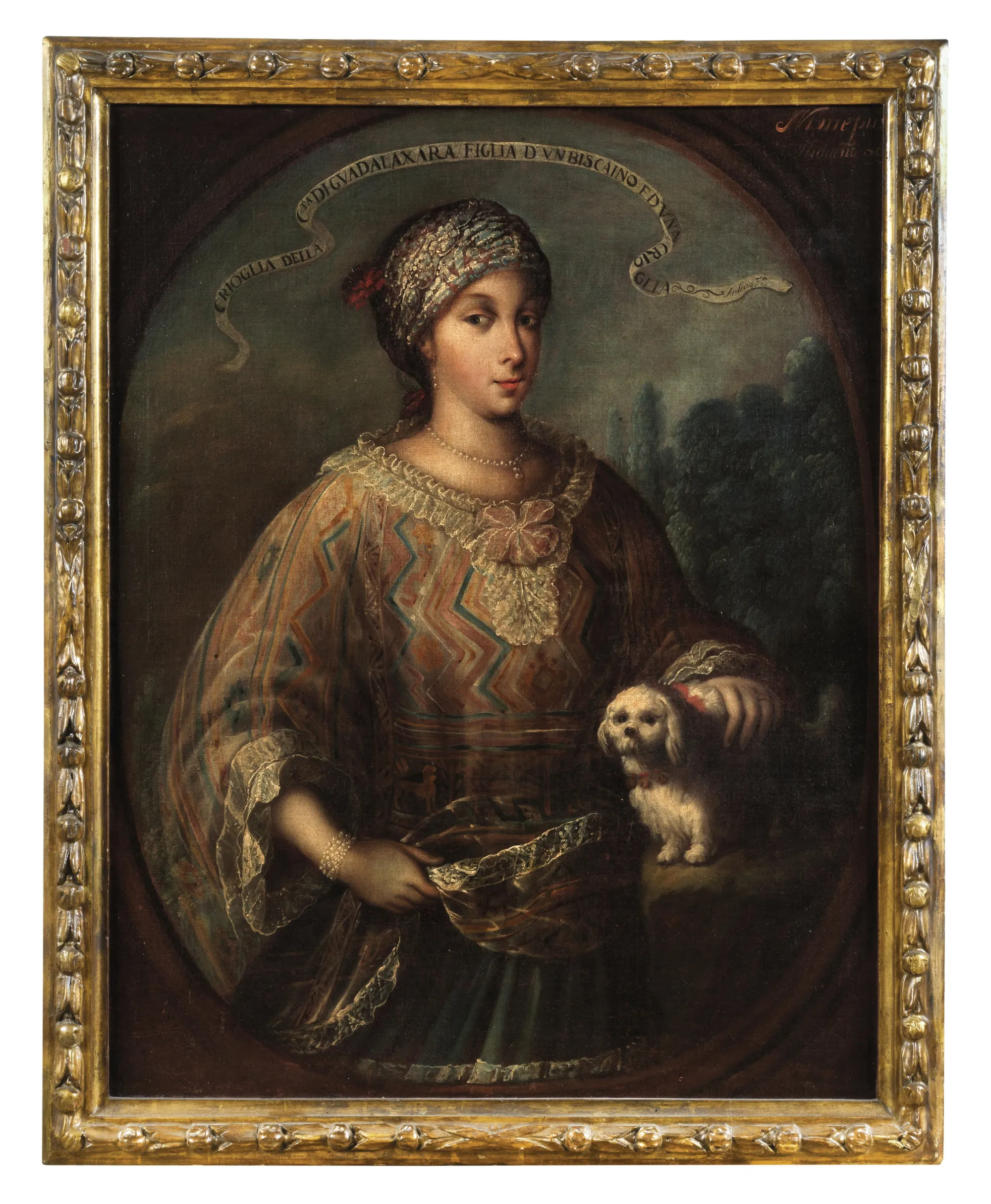
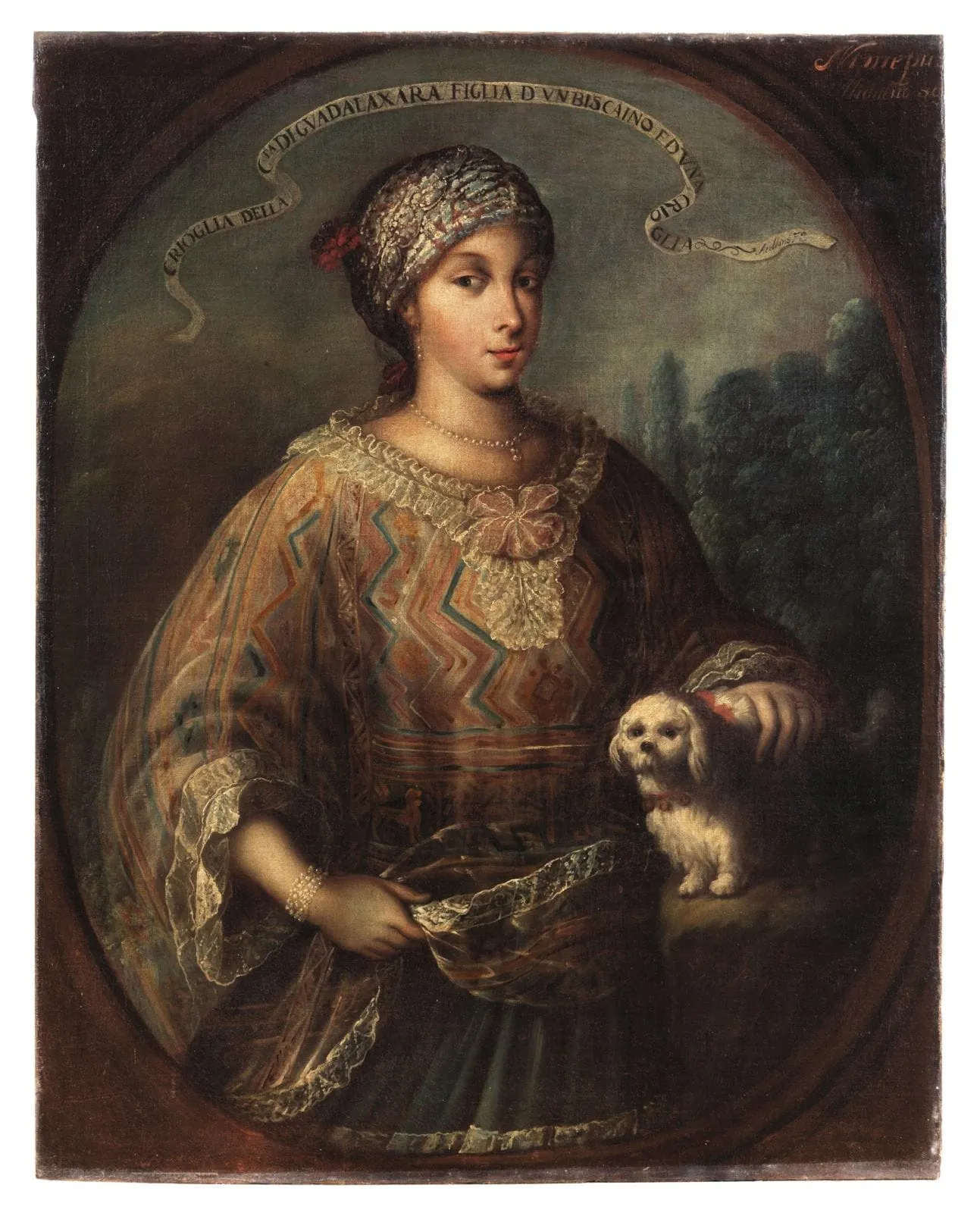
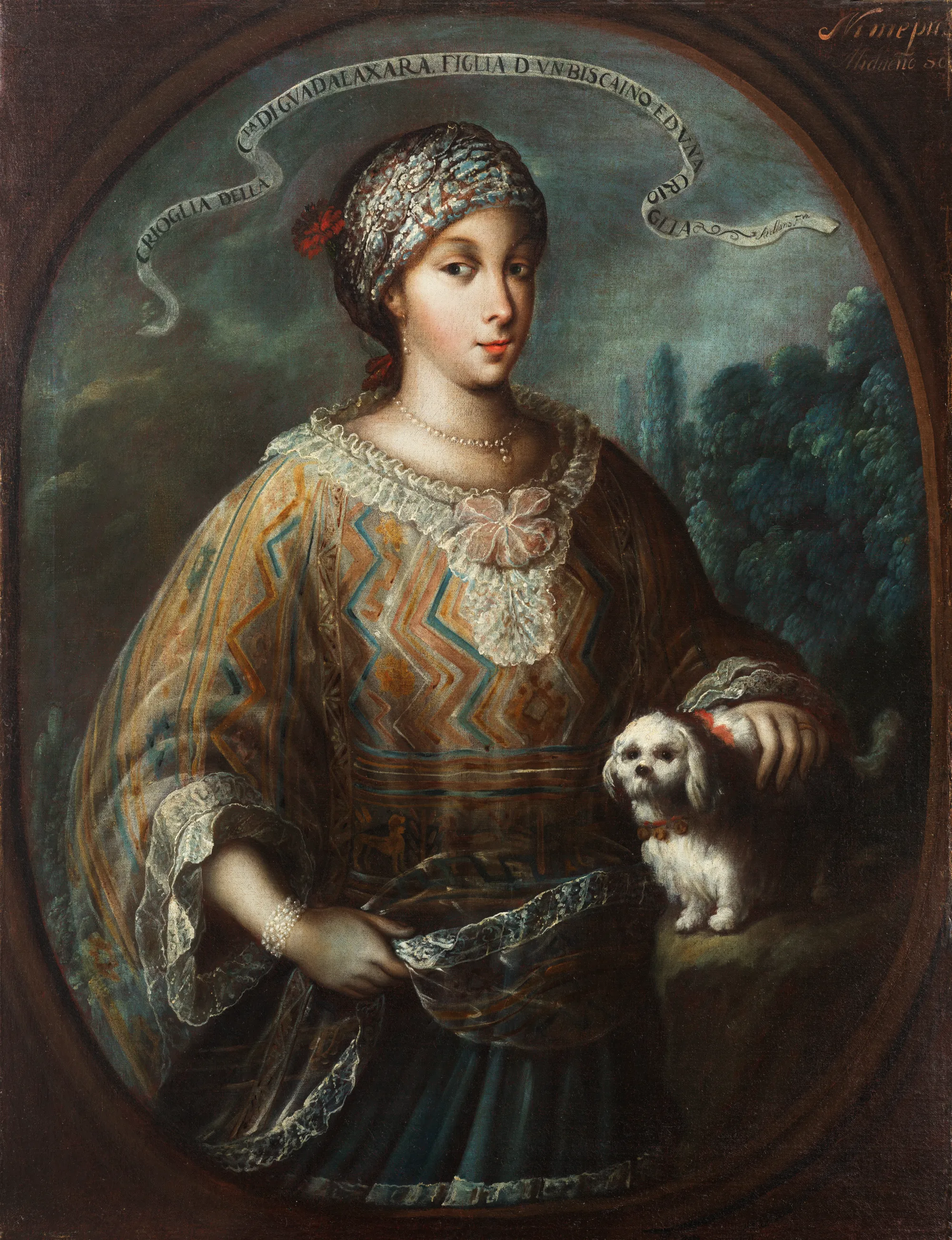
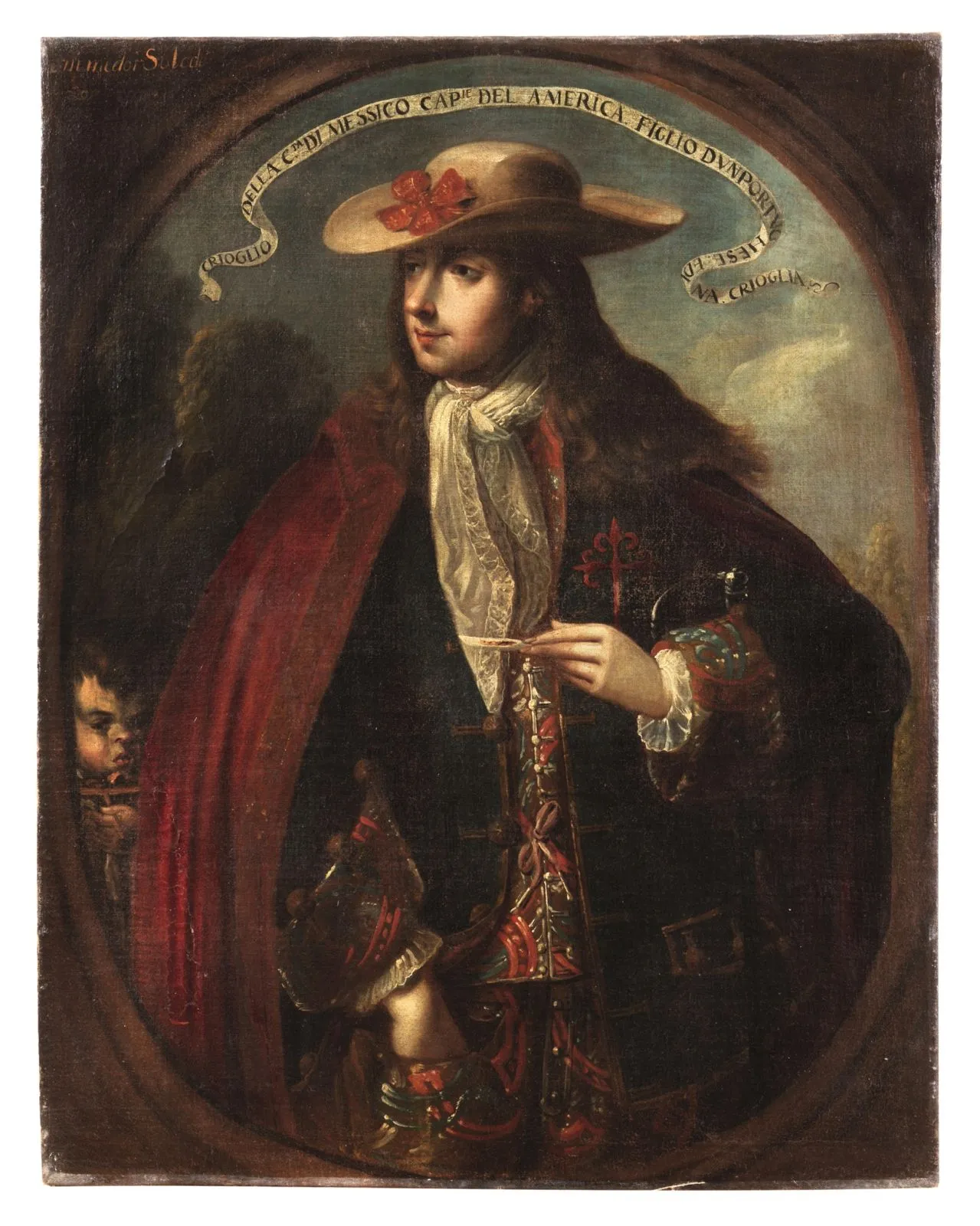 Before
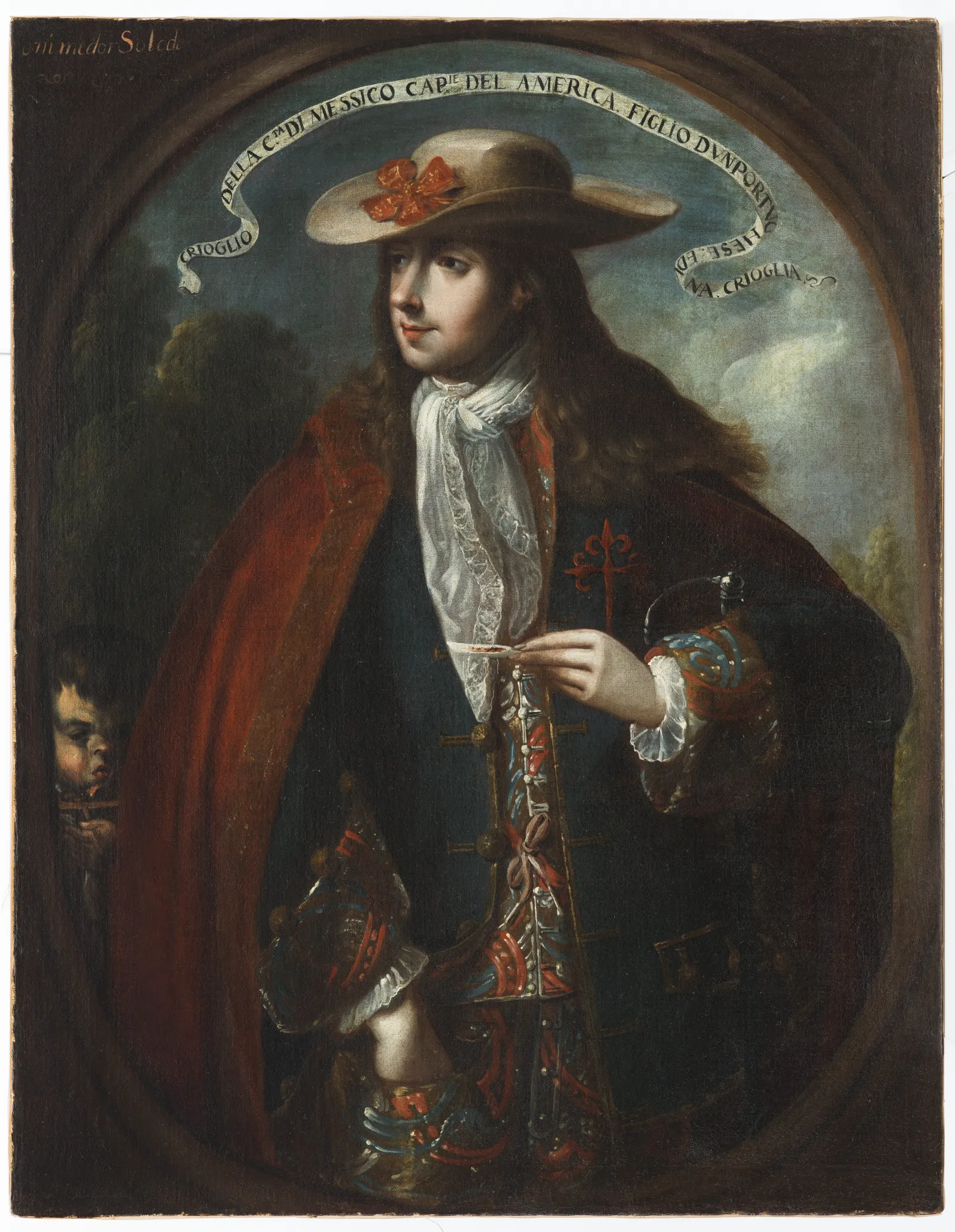 After
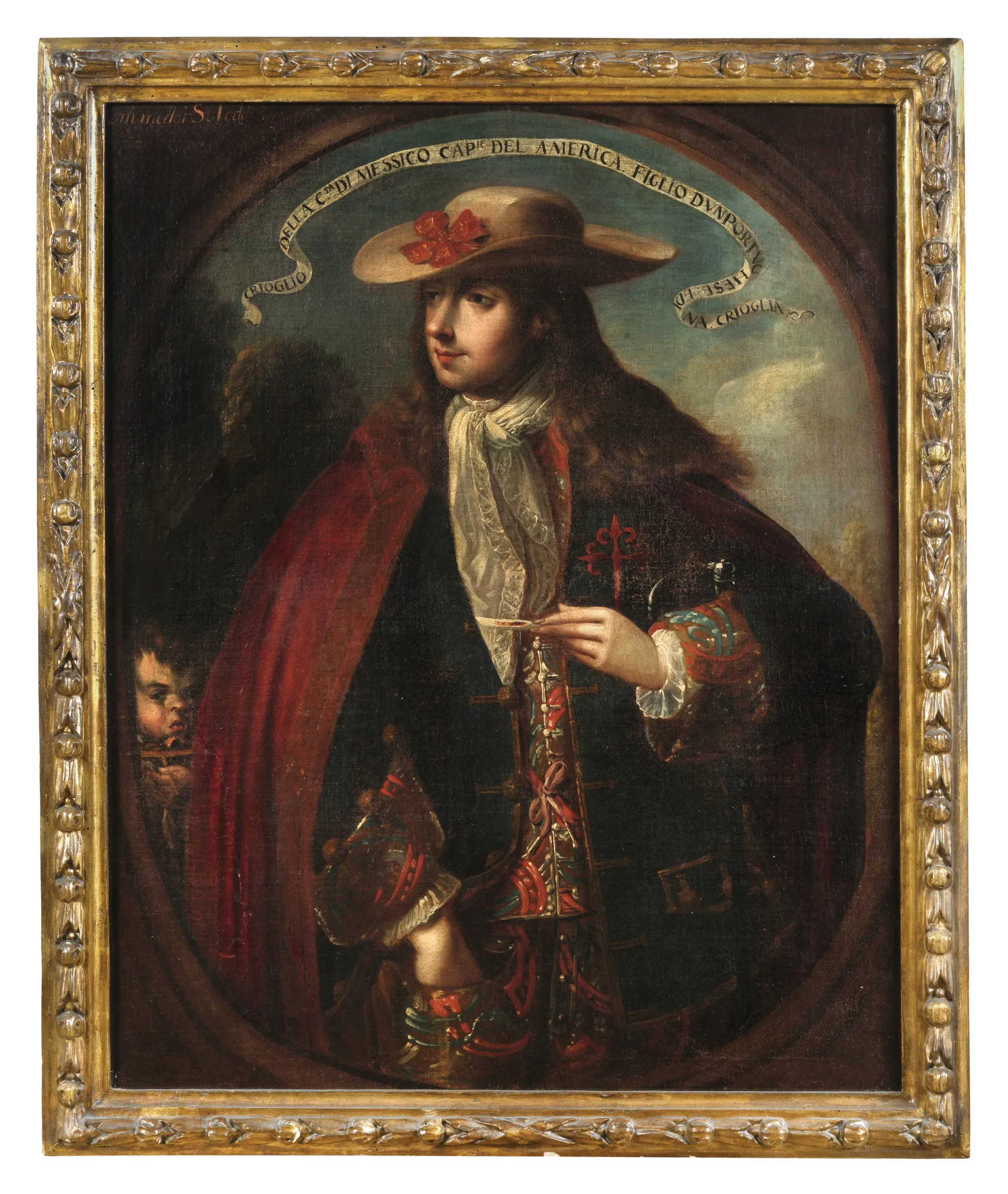
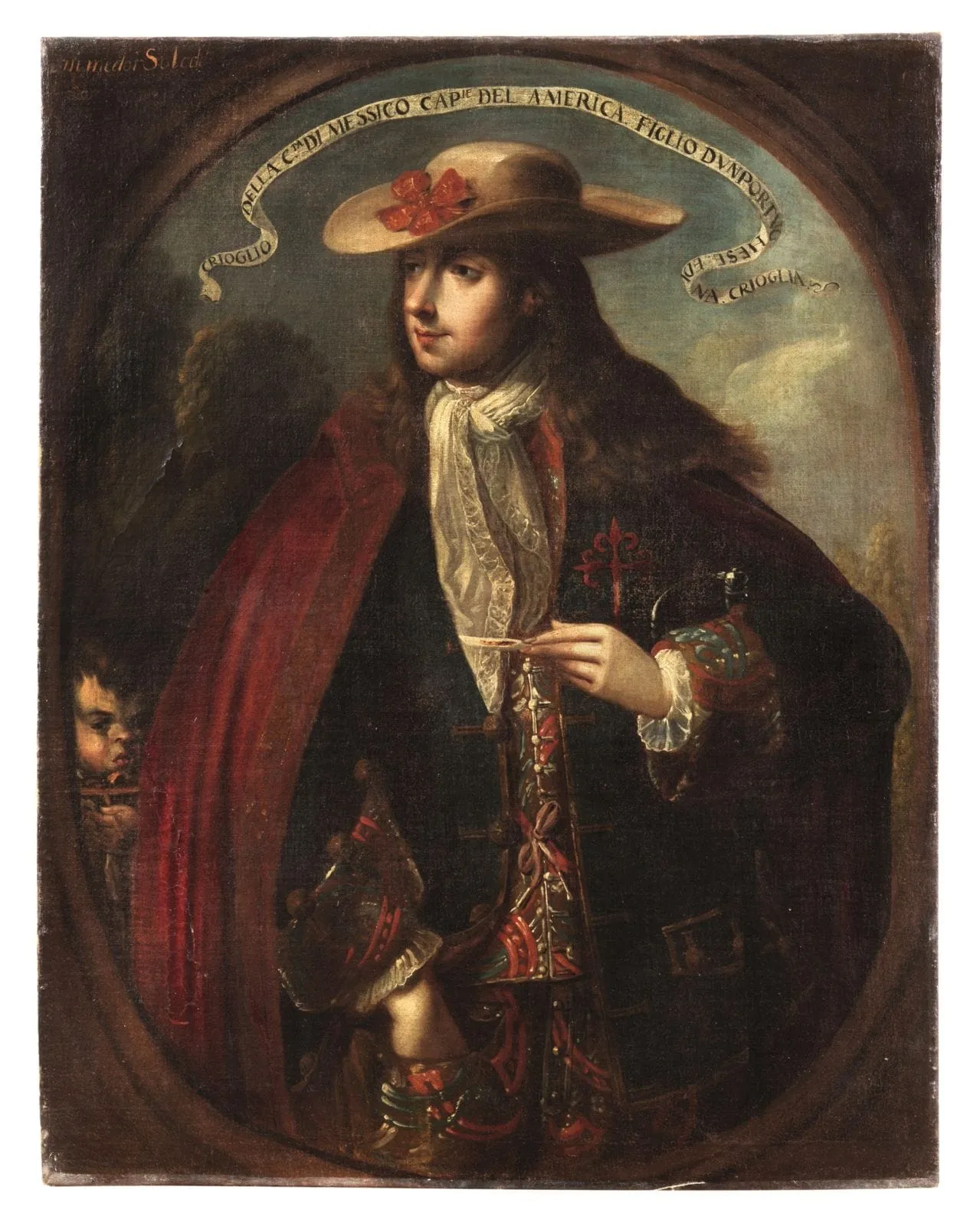
After
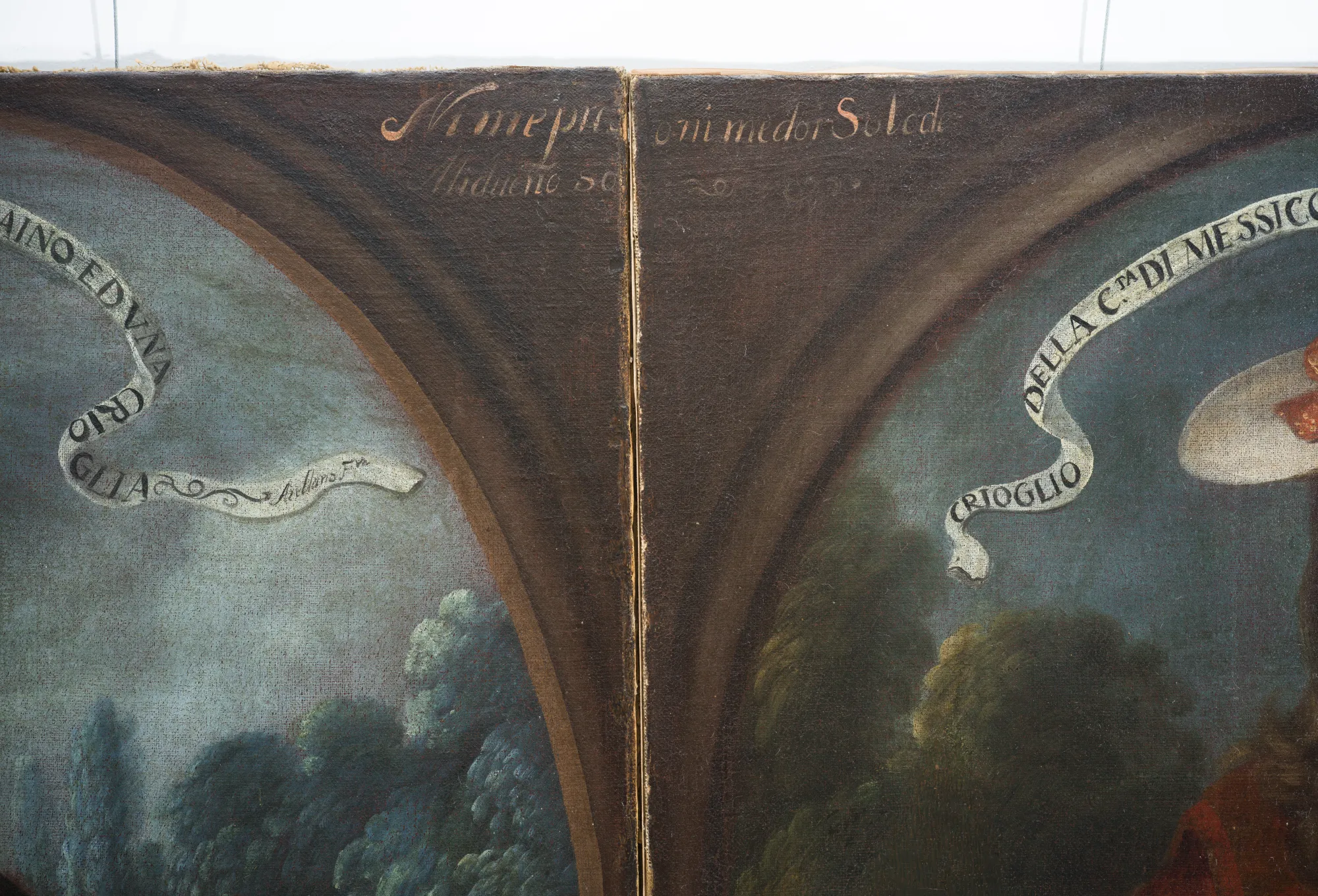
Manuel de Arellano (1662–1722)
A carefully executed conservation process restoring structural integrity, chromatic clarity, and the refined detail of two 17th-century colonial portraits.
Before
After
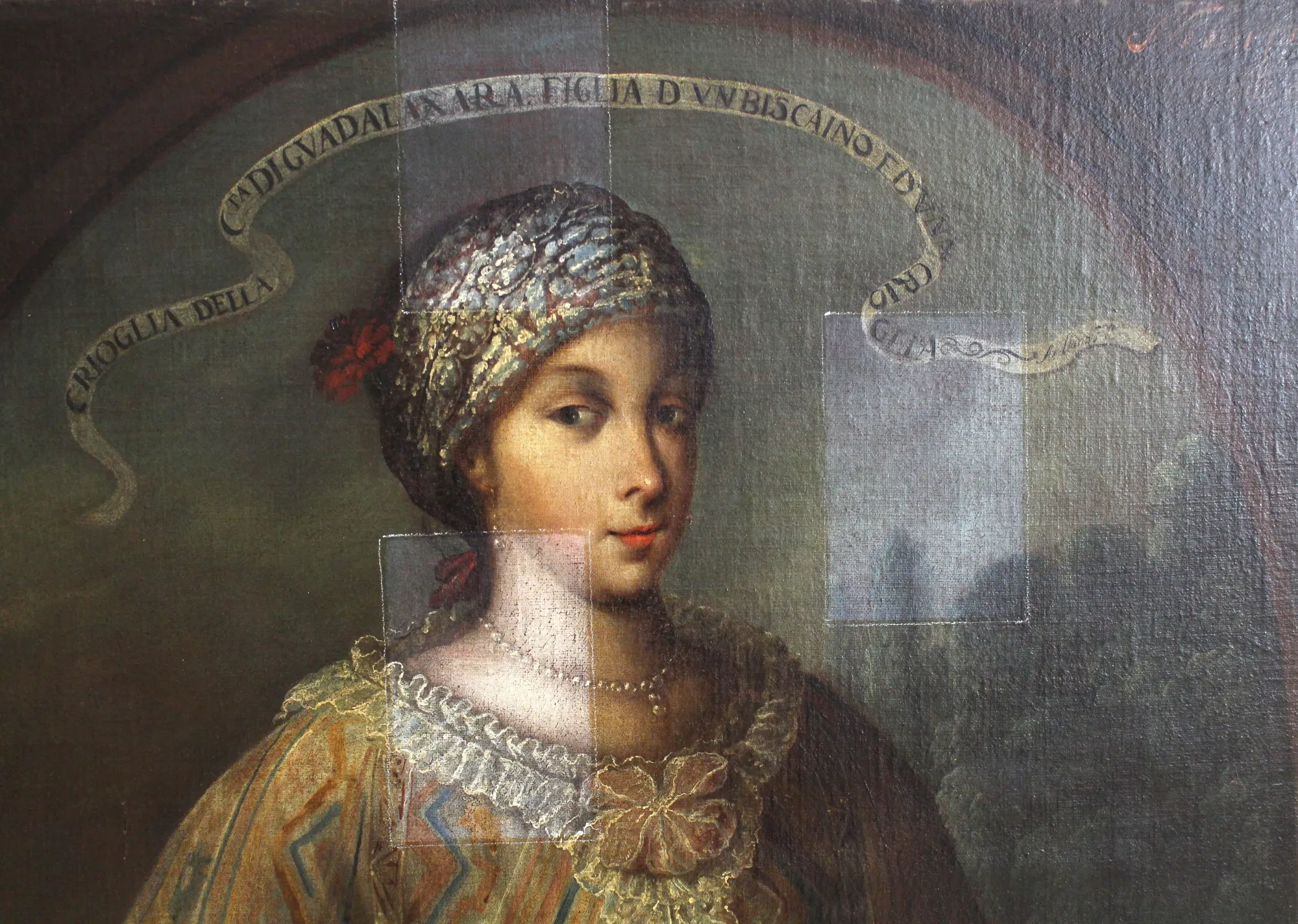
These two portraits by Manuel de Arellano are executed on linen canvas supports, a stable material traditionally used for paintings of this period. Both works had undergone a previous lining, which remains in good condition and was therefore preserved as part of the structural integrity of the paintings. The supports showed signs of past impact damage, particularly in the portrait of the male figure, where two significant blows had caused tears and loss of original fabric. These areas required careful structural consolidation while maintaining the integrity of the existing lining. The stretcher system, equipped with keys and central crossbars, was found to be structurally sound and suitable for long-term conservation. As such, it was retained, ensuring stability without unnecessary intervention. The ground layer, composed of calcium sulfate and animal glue, presented a generalised craquelure consistent with age and environmental fluctuations. Notably, the preparation layer includes a red bole (Armenian bol), characteristic of the period, which contributes to the warmth and depth of the pictorial surface. The varnish layer had significantly degraded over time, becoming yellowed and uneven due to oxidation. This alteration obscured the original colours and tonal relationships, while accumulated surface dirt and residues further reduced the clarity of the compositions. Localised areas of overpainting—primarily associated with earlier repairs—extended beyond their original function and disrupted the visual balance of the works. These were carefully identified through analytical examination, including ultraviolet light, raking light, and macrophotography. The conservation process began with comprehensive photographic documentation. Structural repairs were then undertaken to stabilise tears and weakened areas of the canvas. In cases where direct access was not possible from the front, controlled interventions were carried out from the reverse by accessing the lining layer. Cleaning was conducted in two phases: the removal of oxidised varnish and surface dirt, followed by the reduction of discoloured overpainting. This process revealed the original palette, demonstrating the high level of preservation of the pictorial layers beneath. Areas of loss were filled using materials compatible with the original ground, carefully textured to match the surrounding surface.
Chromatic reintegration was then carried out using reversible techniques, beginning with a base application and followed by precise tonal adjustments to restore visual continuity. A final protective varnish layer was applied to unify the surface and enhance the depth and saturation of the colours. The original gilded frame was also treated, with the removal of oxidised coatings revealing the fine gold finish beneath. The paintings are now presented in a stable and coherent state of conservation, allowing a renewed appreciation of their refined execution, rich colour palette, and historical significance.
Each restoration is guided by three principles: Respect for the original material, reversibility of all interventions, and clarity of the artist’s intent. At Colnaghi, conservation is both a technical and scholarly process—preserving not only the physical object, but its historical and cultural meaning.
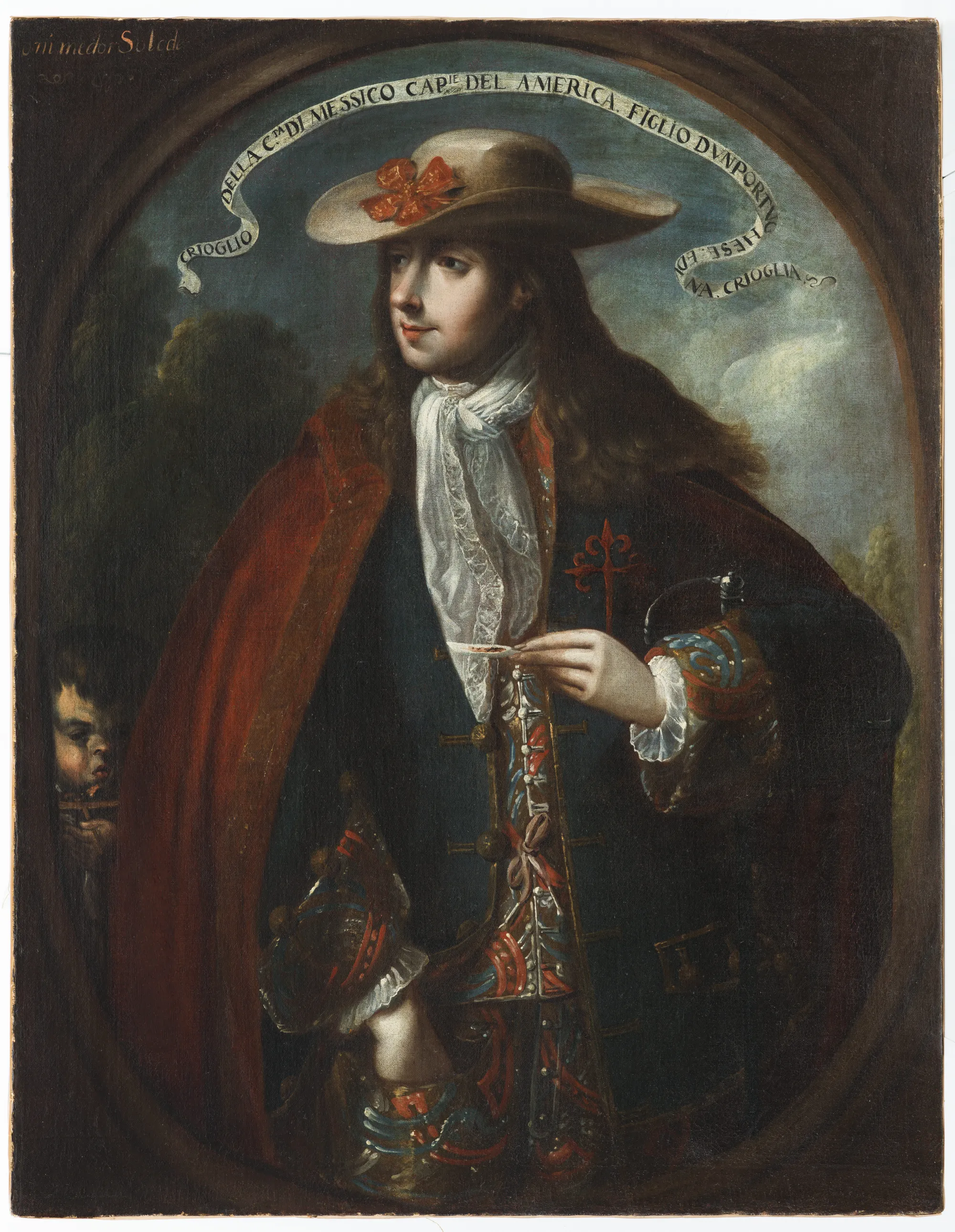
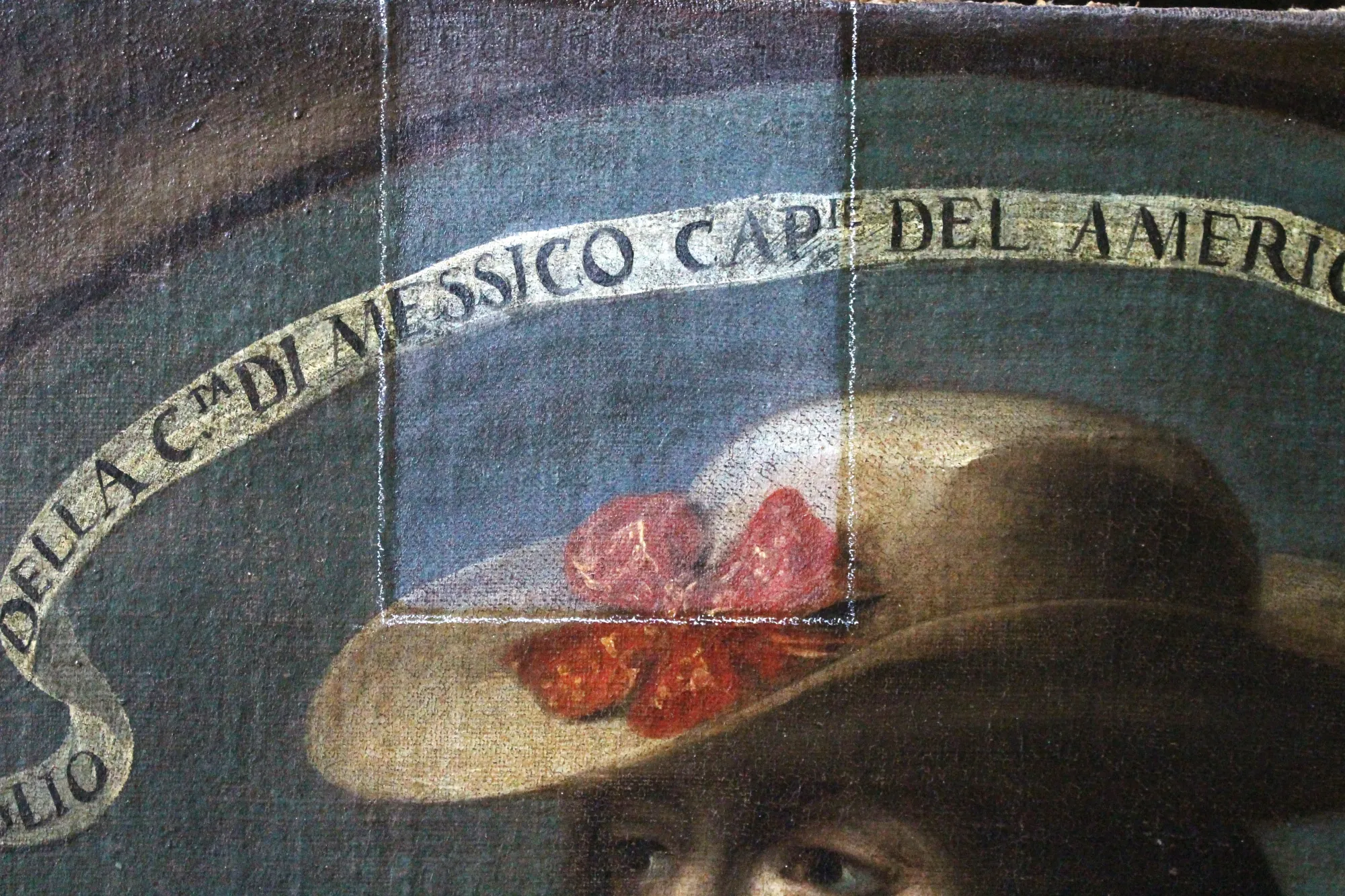
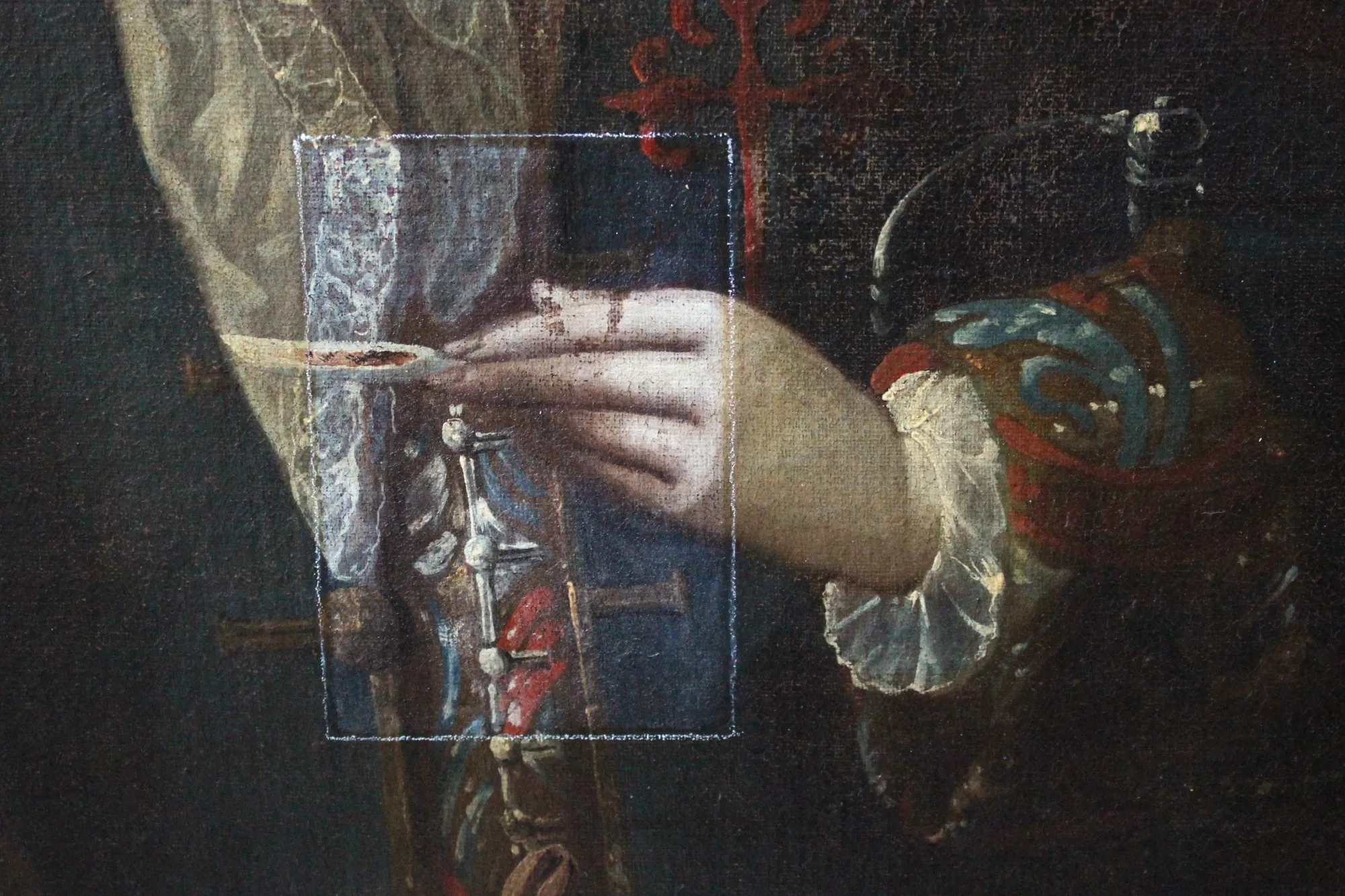
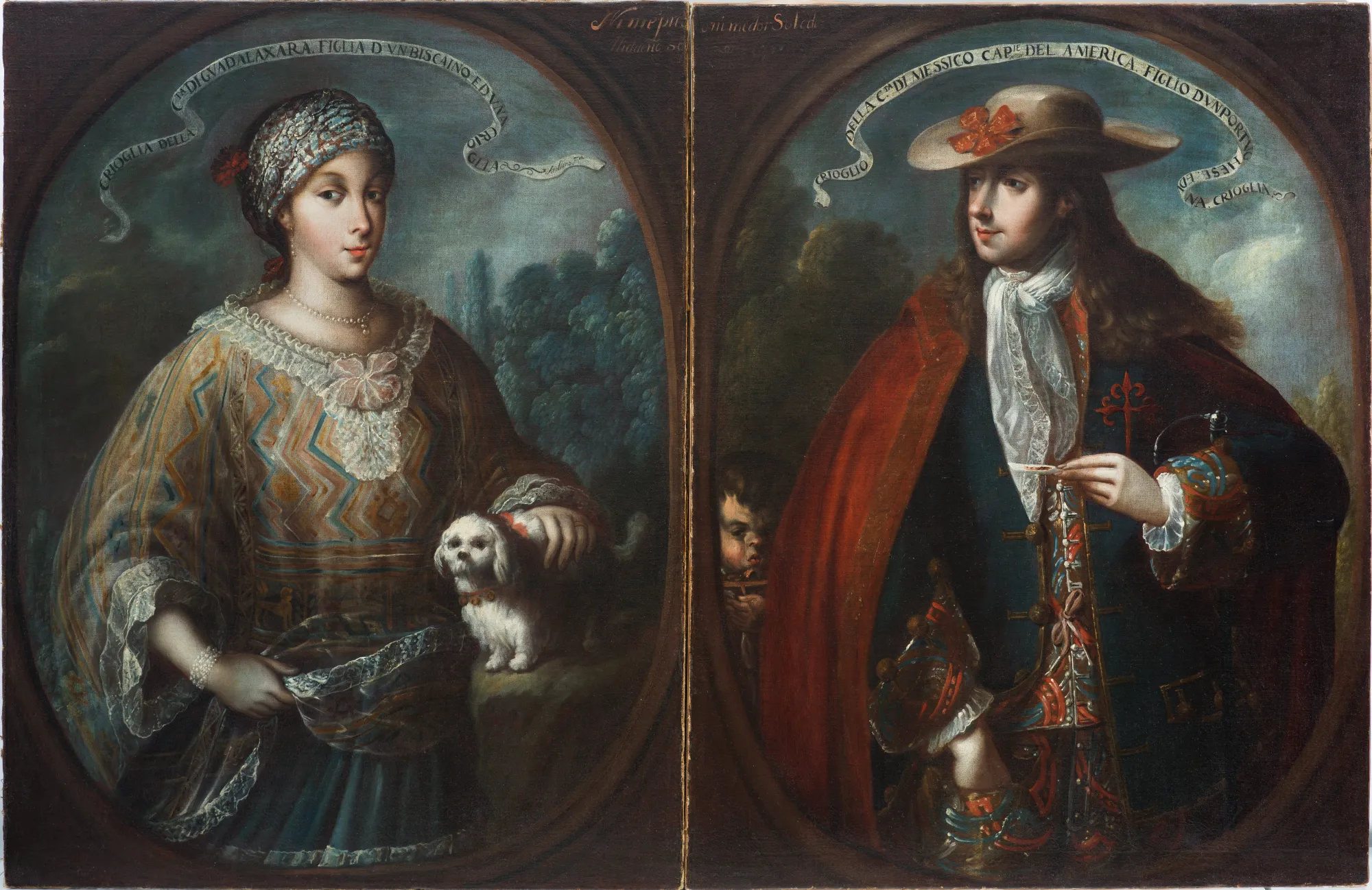
Colnaghi's team works with leading conservators to restore works to their full glory.
Get in Touch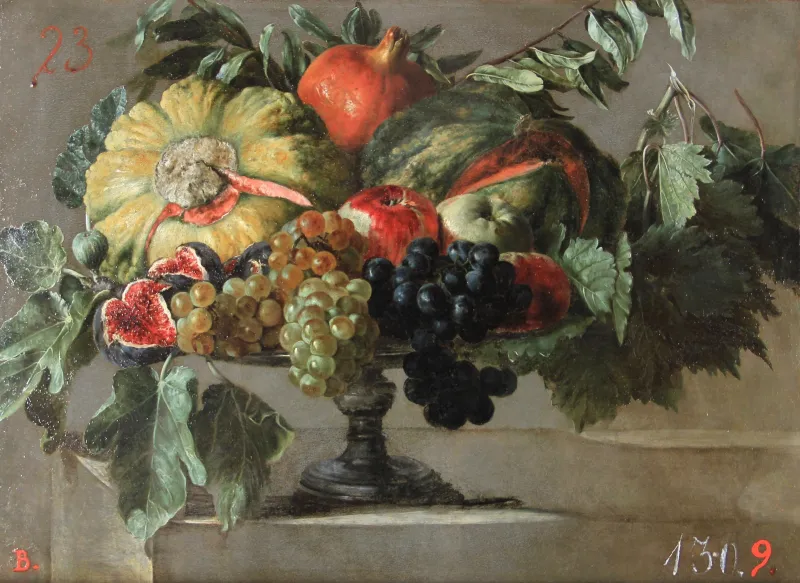
Bartolomeo Cavarozzi (1587–1625)
A carefully documented conservation process restoring clarity, balance, and legibility to a 17th-century oil on copper.
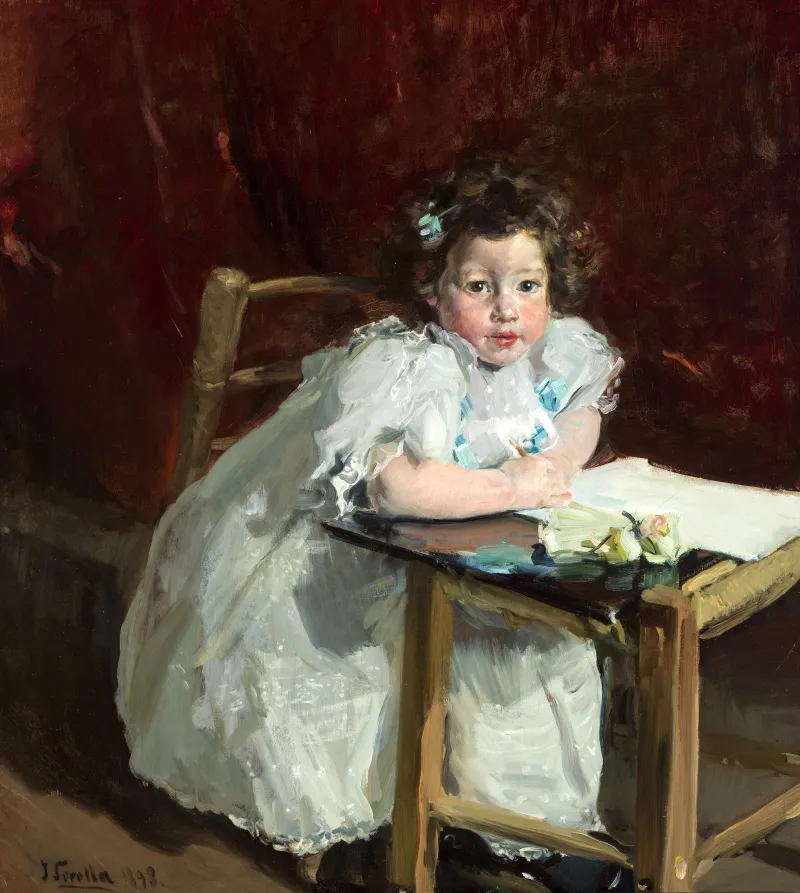
Joaquín Sorolla y Bastida (1863–1923)
A carefully documented conservation process restoring clarity, tonal freshness, and the immediacy of Sorolla’s brushwork.
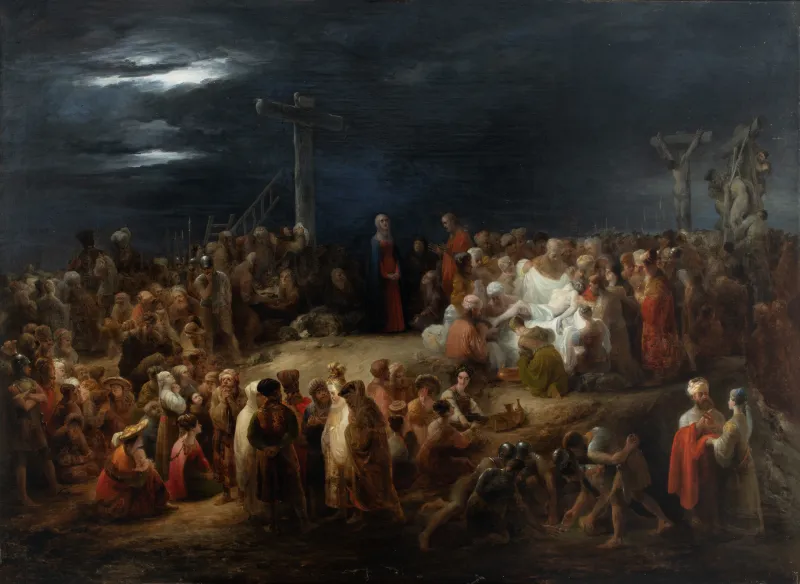
Domingos António Sequeira (1768–1837)
A carefully executed conservation process restoring structural balance, tonal depth, and the legibility of a complex multi-figure composition.
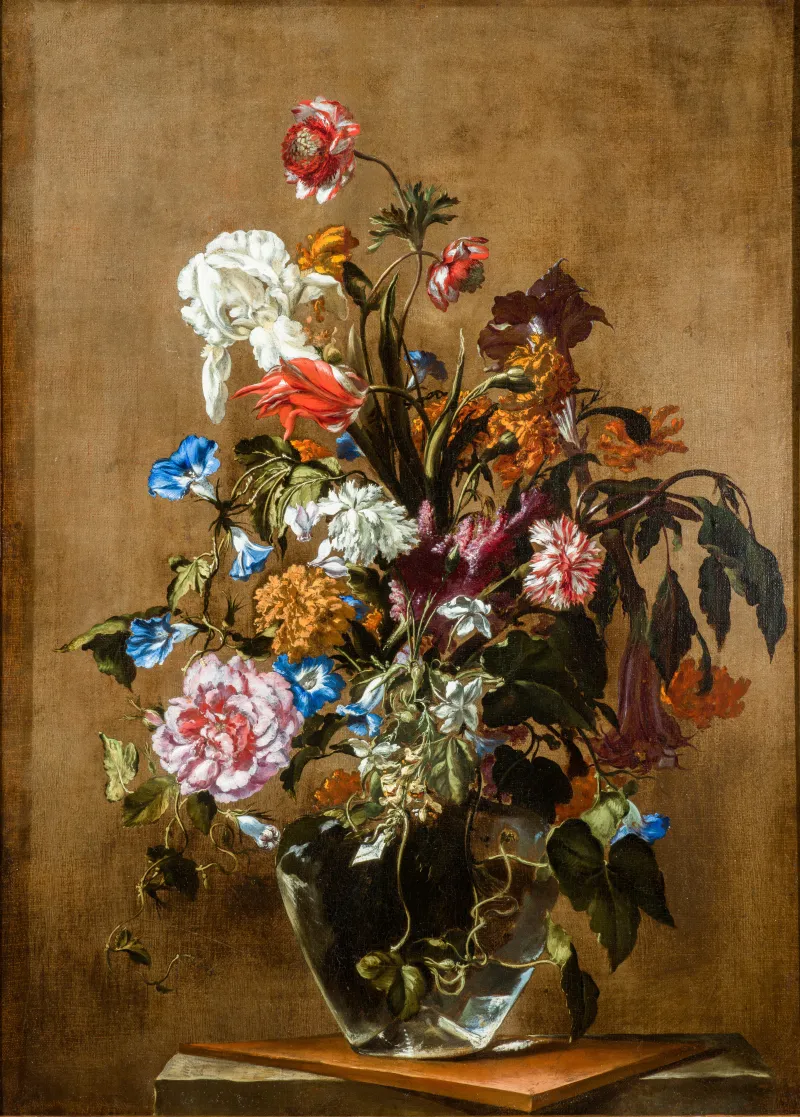
Mario Nuzzi (1603–1673) & Raffaello Vanni (1598–1673)
A carefully executed conservation process restoring clarity, chromatic vibrancy, and the delicate balance of a 17th-century floral composition.
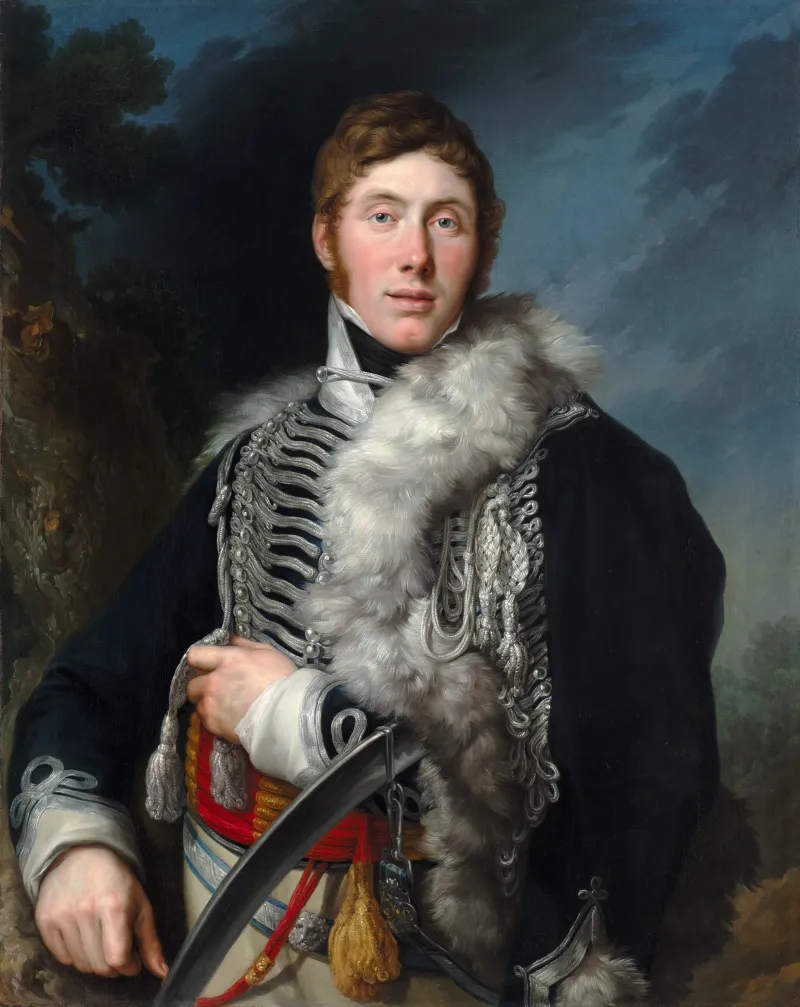
Vicente López Portaña (1772–1850)
A carefully executed conservation process restoring clarity, tonal balance, and the refined surface quality of an early 19th-century portrait.
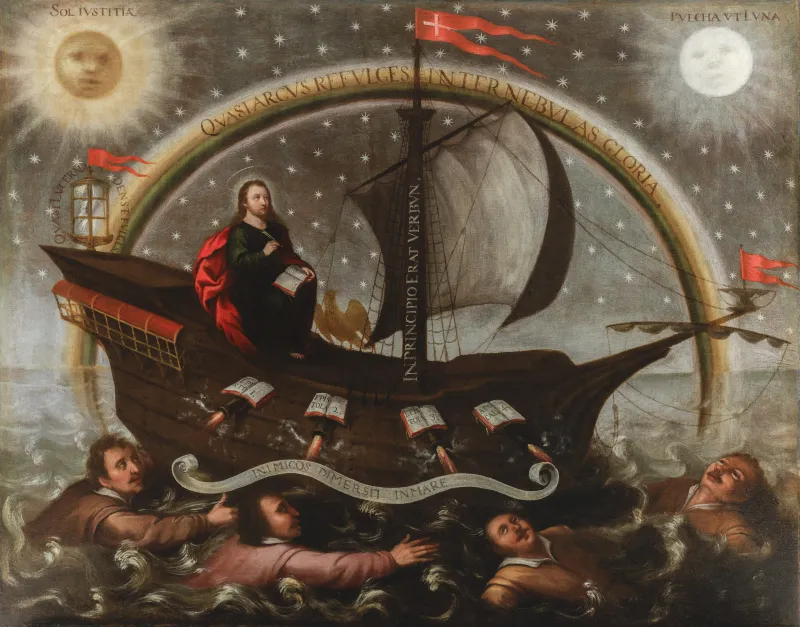
Leonardo Flores (1650–1710)
A carefully executed conservation process restoring clarity, chromatic balance, and structural stability to a richly symbolic 17th-century composition.