The Birth of Colnaghi
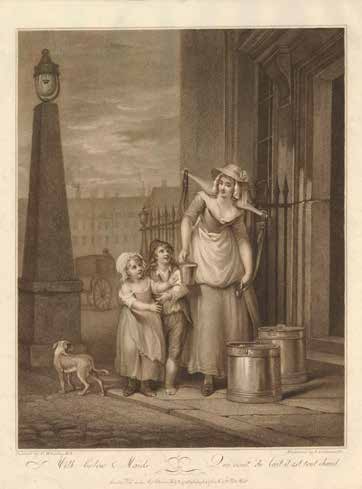
Giambattista Torre opens a shop in Paris dealing in scientific instruments, followed by a London branch near Pall Mall in 1767. Paul Colnaghi joins in 1785, transforming it into a thriving print-selling business.
The world's oldest commercial art gallery, established in 1760.
Giambattista Torre opens a shop in Paris dealing in scientific instruments, followed by a London branch near Pall Mall in 1767. Paul Colnaghi joins in 1785, transforming it into a thriving print-selling business.
The gallery becomes a fashionable Regency haunt and is appointed print-seller to the Prince Regent and later William IV. Dominic Colnaghi forges relationships with Constable and Delacroix.
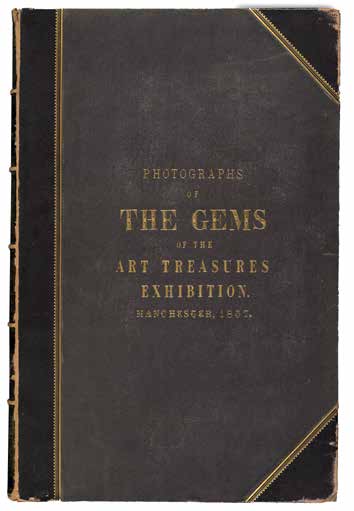
Dominic Colnaghi organises the works on paper section of the landmark Manchester Art Treasures Exhibition, commemorated in one of the first art publications illustrated by photography.
Dynamic partners Otto Gutekunst and Edmond Deprez join the firm, transforming London's most venerable print shop into one of the leading Old Master picture dealers of the Gilded Age.
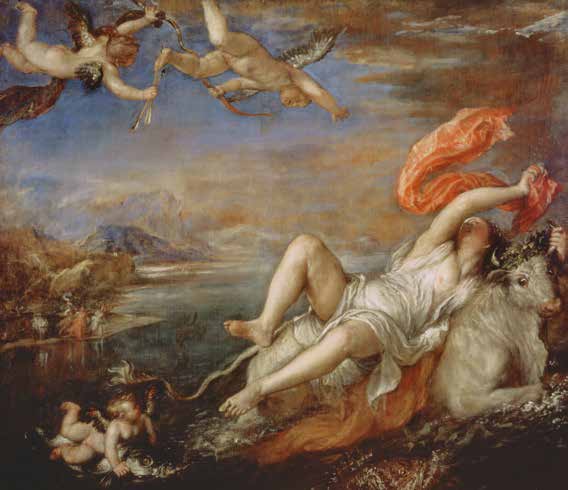
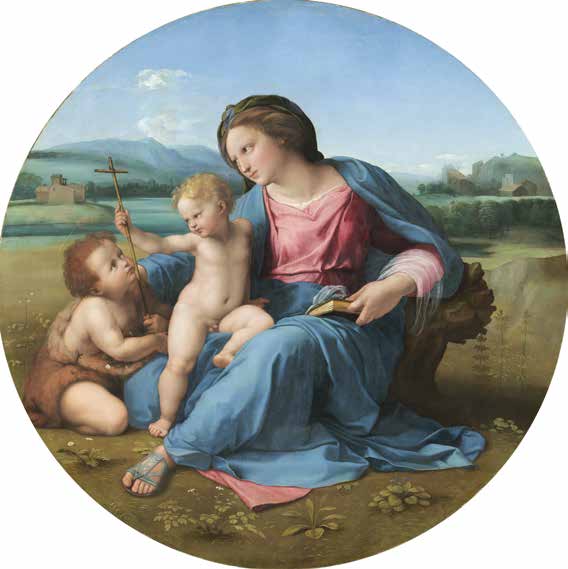
Through Bernard Berenson and the Knoedler partnership, Colnaghi sources masterpieces for Frick, Widener, and Mellon — including the landmark Hermitage sale, the biggest deal in the firm's history.
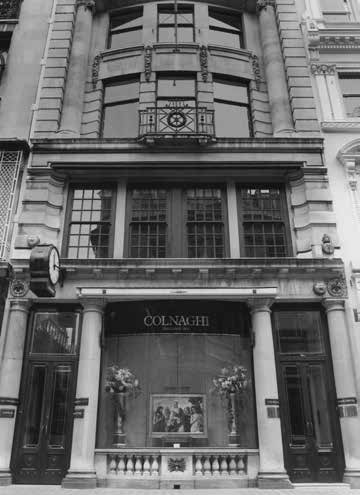
Colnaghi moves from Pall Mall East to a sumptuous gallery on New Bond Street, befitting its millionaire clientele and its position at the centre of the transatlantic art trade.
Under director James Byam Shaw, Colnaghi builds a formidable reputation for scholarship and connoisseurship, developing close museum relationships and reappraising neglected fields such as Italian Baroque painting.
Lord Rothschild acquires Colnaghi in 1970, expanding into oriental art, photography, sculpture, and decorative arts. Pioneering exhibitions open new fields of collecting. A New York gallery opens in 1983.
Konrad Bernheimer, fourth generation of the Munich-based art-dealing dynasty, acquires Colnaghi from the Oetker Group. Joined by Katrin Bellinger, the gallery begins dealing more eclectically across European schools.
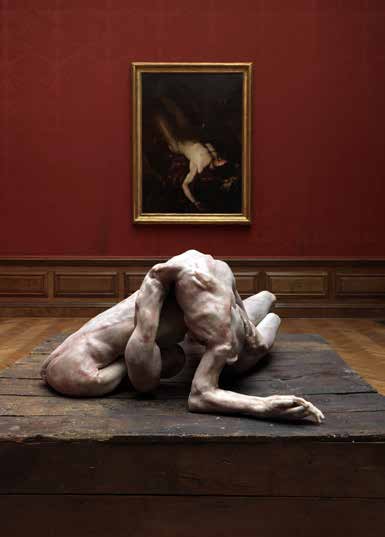
The pioneering exhibition In the Company of Old Masters and collaborations with Hauser & Wirth bring Old Masters and contemporary artists into bold dialogue, attracting entirely new audiences to the gallery.
Colnaghi celebrates its 250th anniversary with a landmark exhibition and a three-volume commemorative catalogue including Colnaghi: The History — reflecting on 250 years of shaping the global art market.
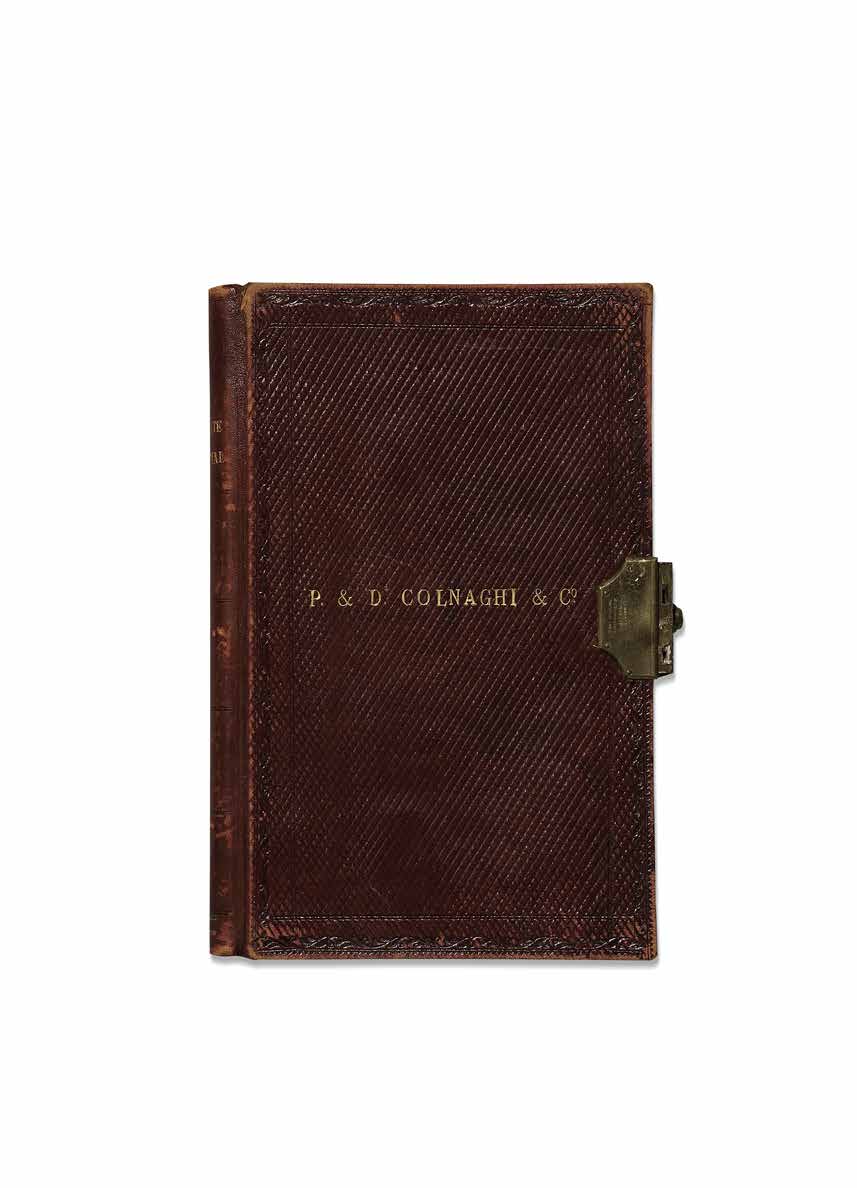
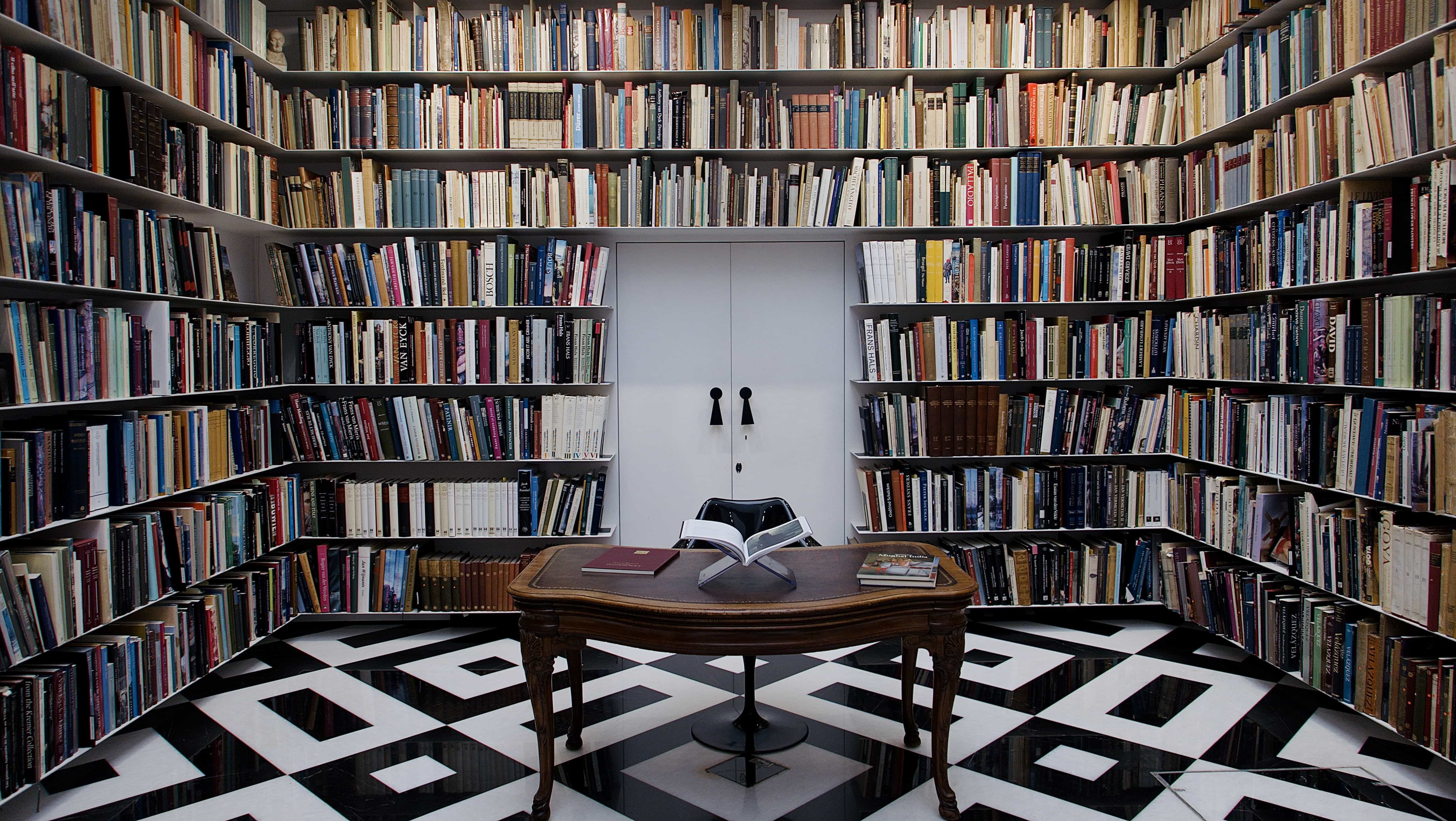
The historic Colnaghi Archive — described as 'the soul of the company' — is catalogued and housed at the state-of-the-art Windmill Hill Archive on the Waddesdon Estate, becoming a key resource for art market scholars worldwide.
Spanish dealers Jorge Coll and Nicolás Cortés become partners at Colnaghi, bringing fresh energy, a sixteen-strong Madrid team operating as Coll & Cortés, and a shared commitment to scholarly dealing and museum relationships.
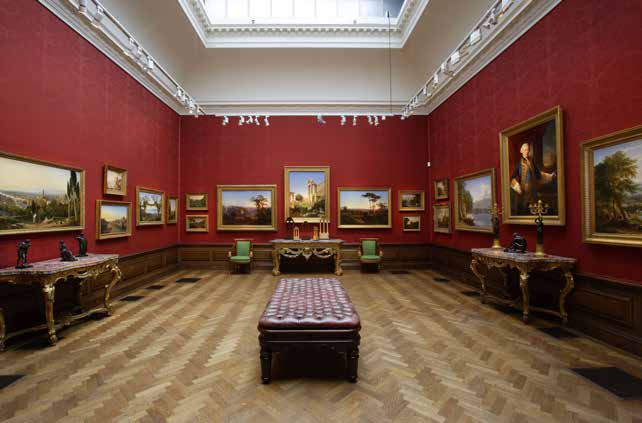
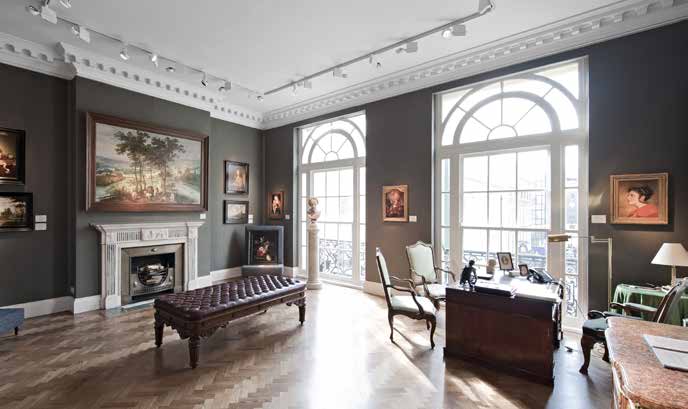
Colnaghi moves to a new gallery at 26 Bury Street in St. James's, returning to London's historic art-dealing quarter after an absence of over a hundred years — a symbolic gesture of continuity and commitment.
Following the triumph of The Sacred Made Real at the National Gallery, Colnaghi and Coll & Cortés champion a resurgent interest in Spanish Golden Age sculpture, opening new markets and scholarly horizons.
The new partnership combines traditional connoisseurship with educational marketing and the potential of the digital world, positioning Colnaghi to defy the perceived decline in the Old Master market.
Colnaghi commits to scholarly research through its archive, library, and collaborations with The Getty Research Institute, The Frick, The National Gallery, and Waddesdon — connecting art history's past with its future.
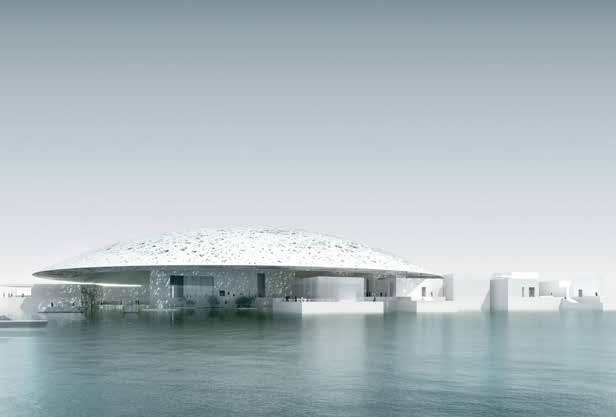
New museums worldwide — from the Louvre Abu Dhabi to institutions across Asia and the Americas — are driving renewed demand for traditional art, ensuring that the market Colnaghi helped build continues to grow.
Colnaghi champions the enduring power of Old Master art to connect with audiences across cultures and generations — not as relics of the past, but as living conversations with the greatest creative minds in history.