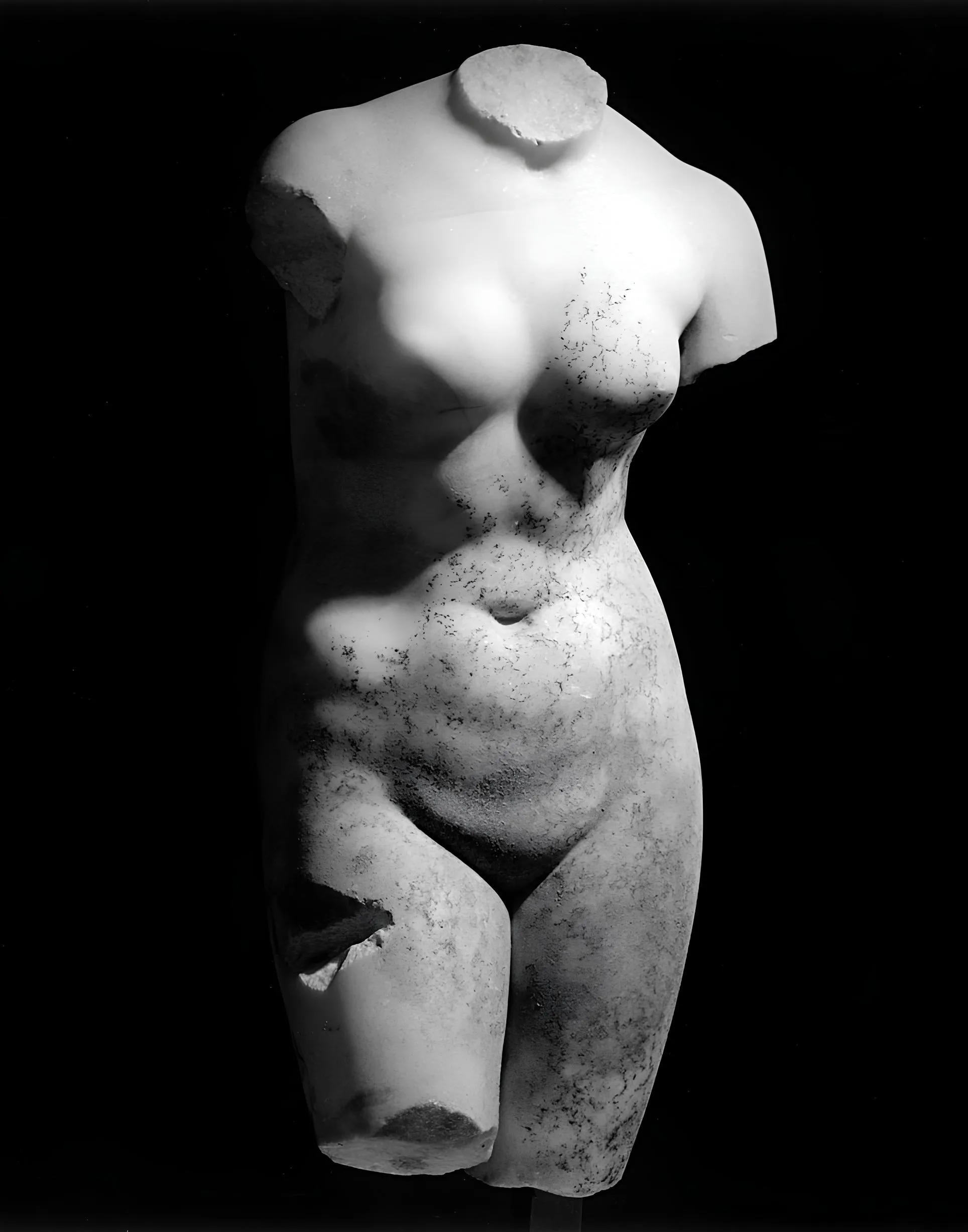
Fragments
15 July 2026 — 15 August 2026
15 July 2026 — 15 August 2026
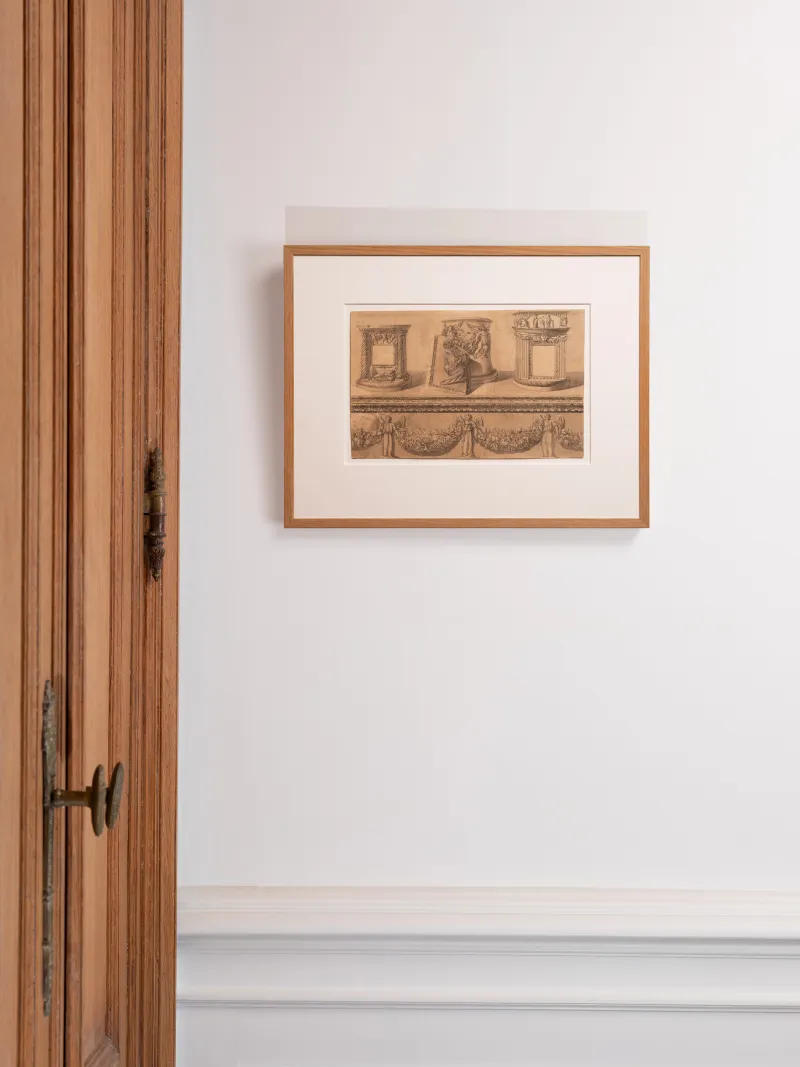
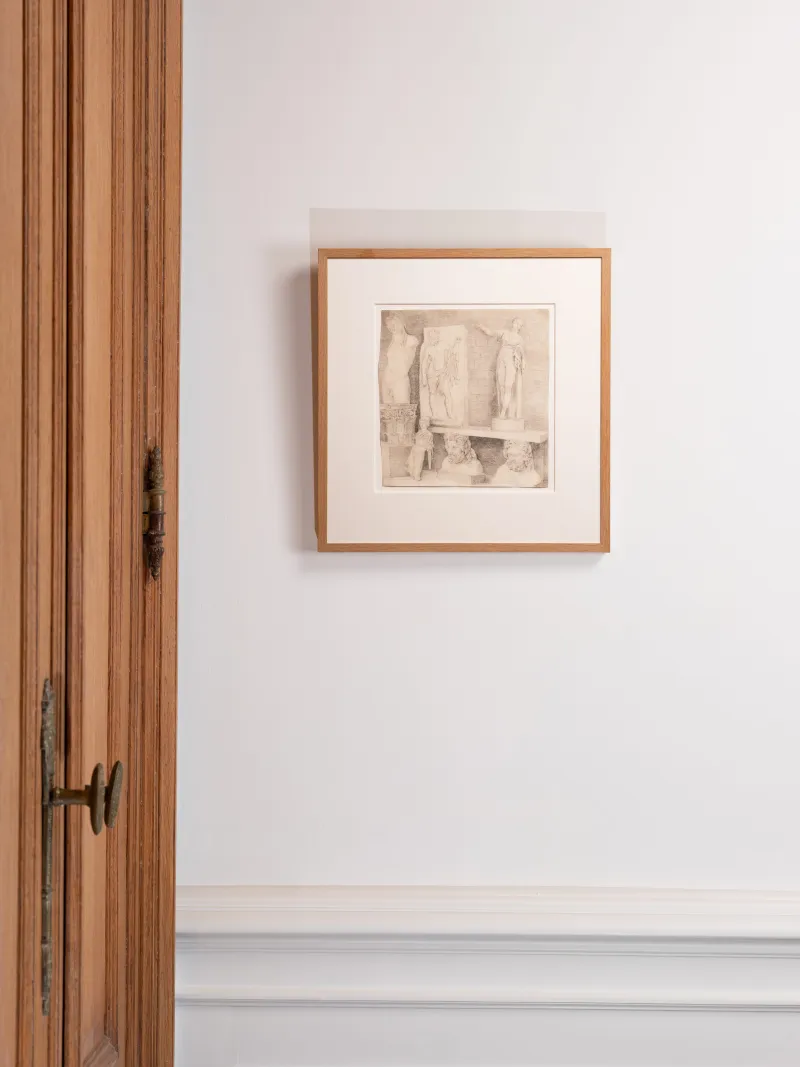
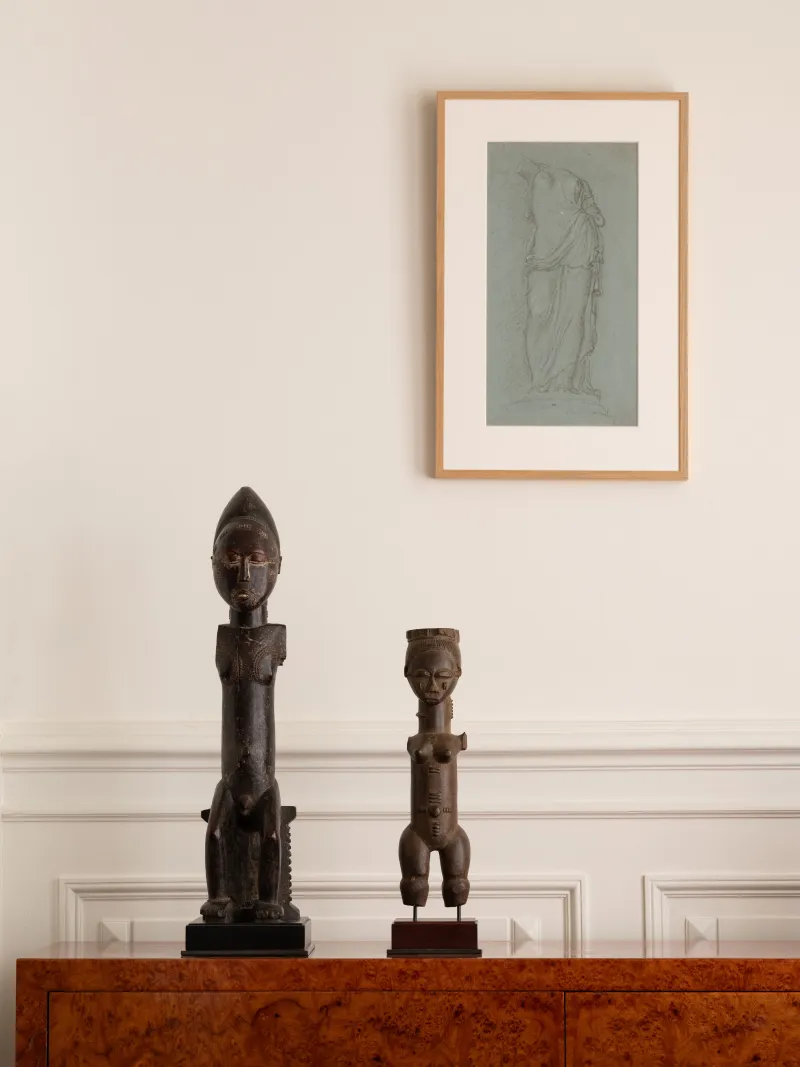
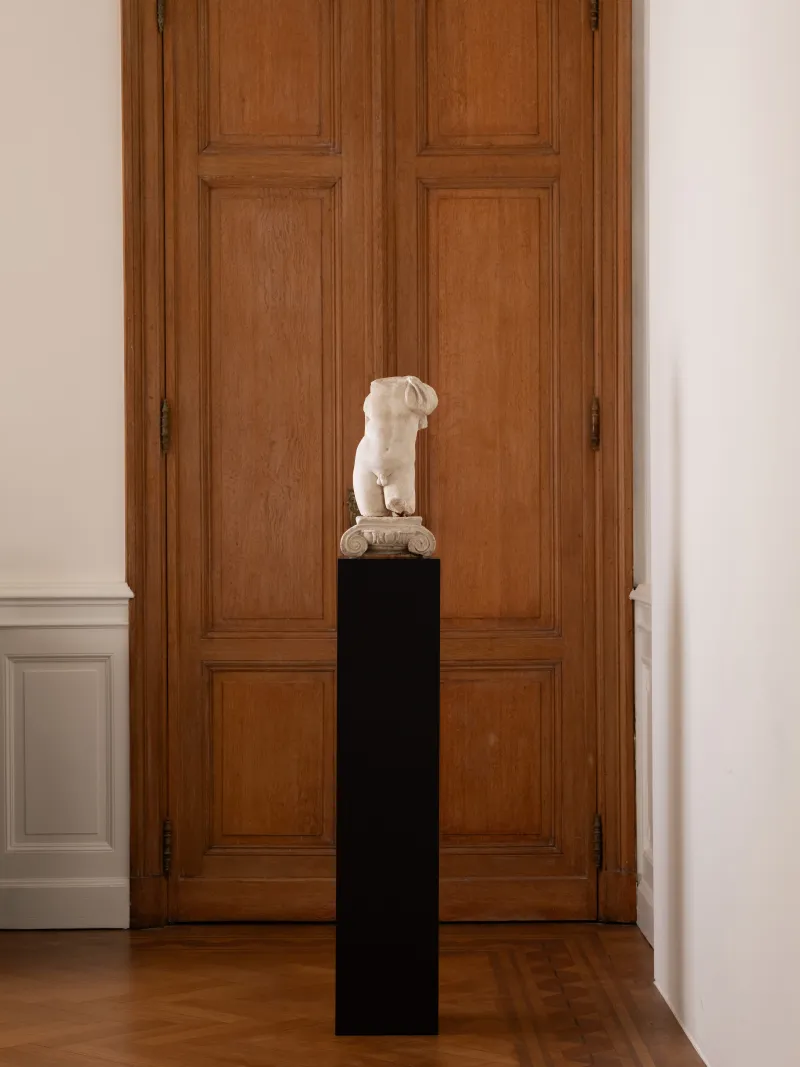
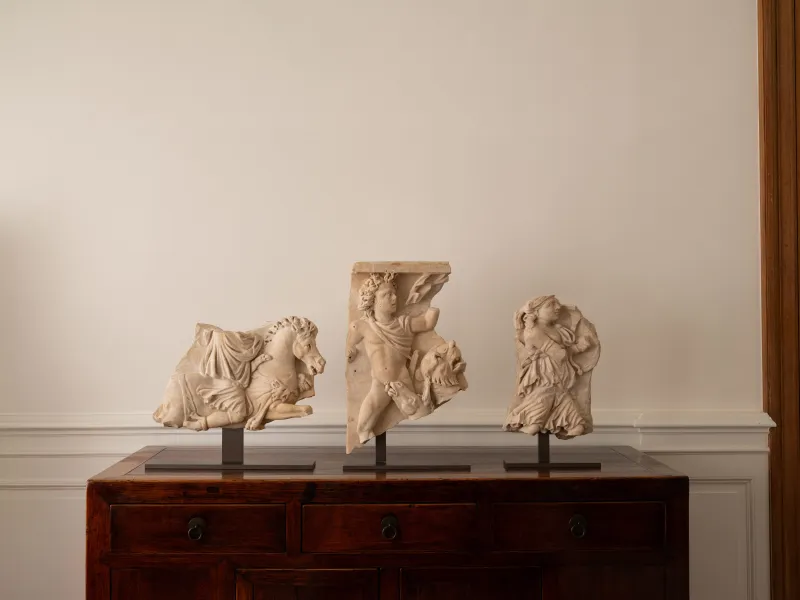
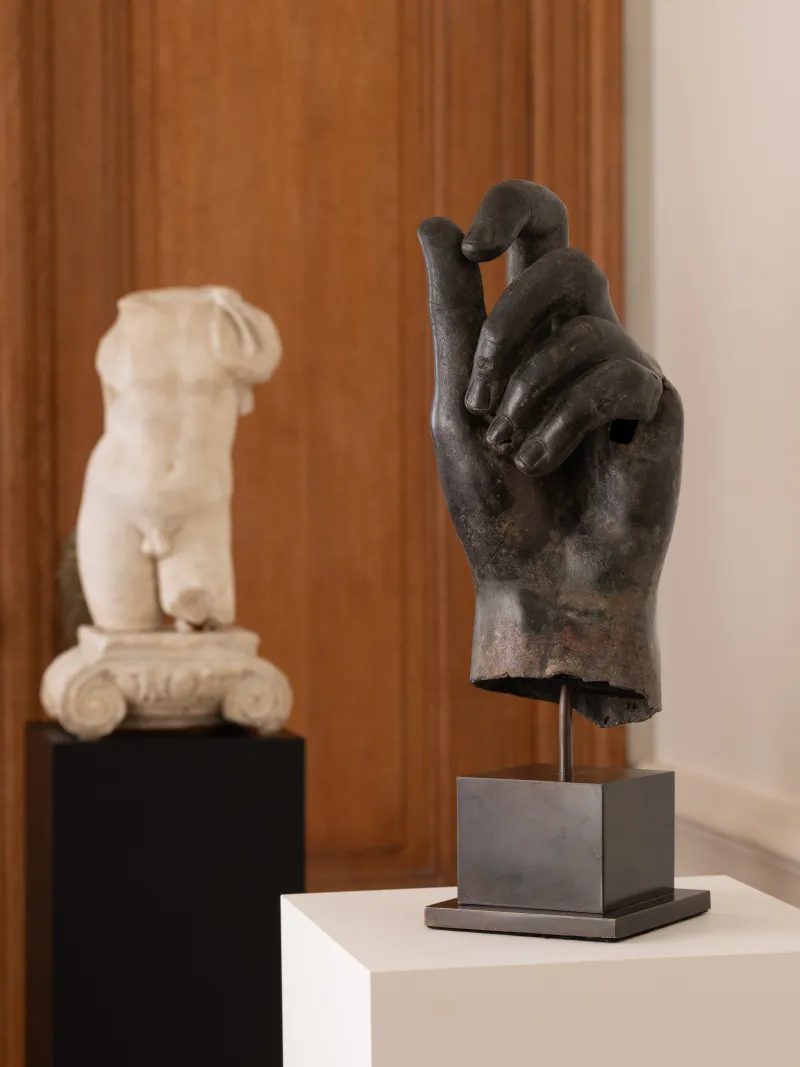
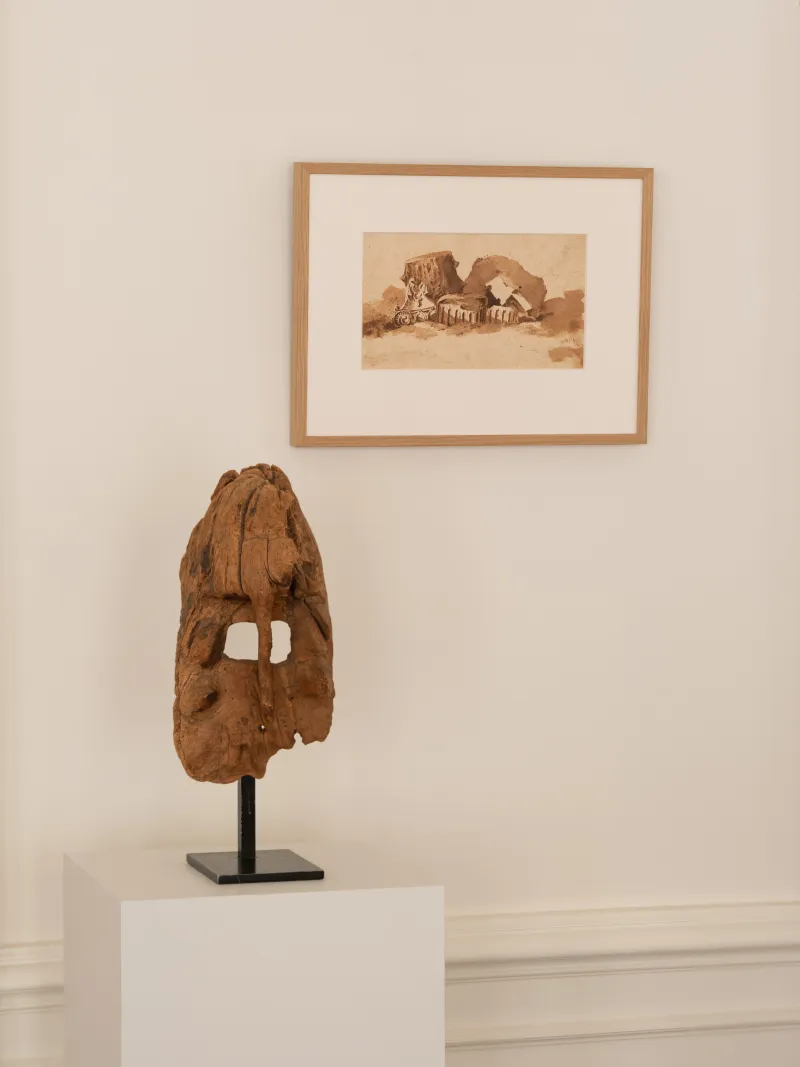
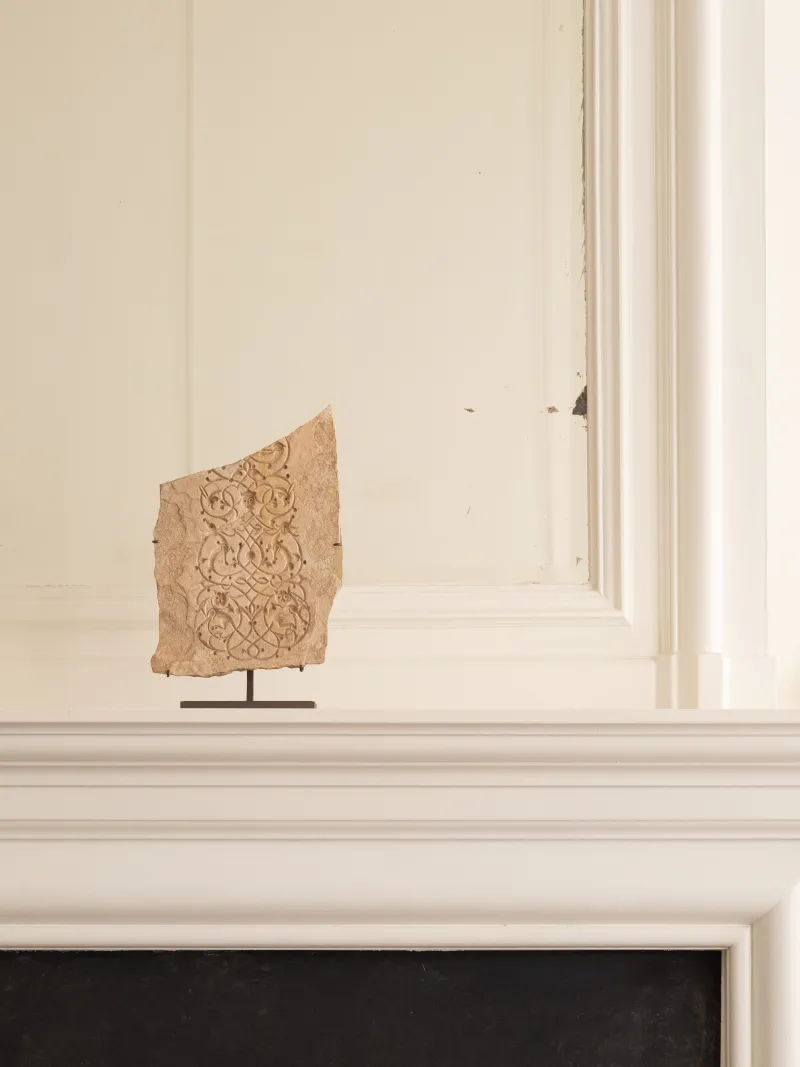
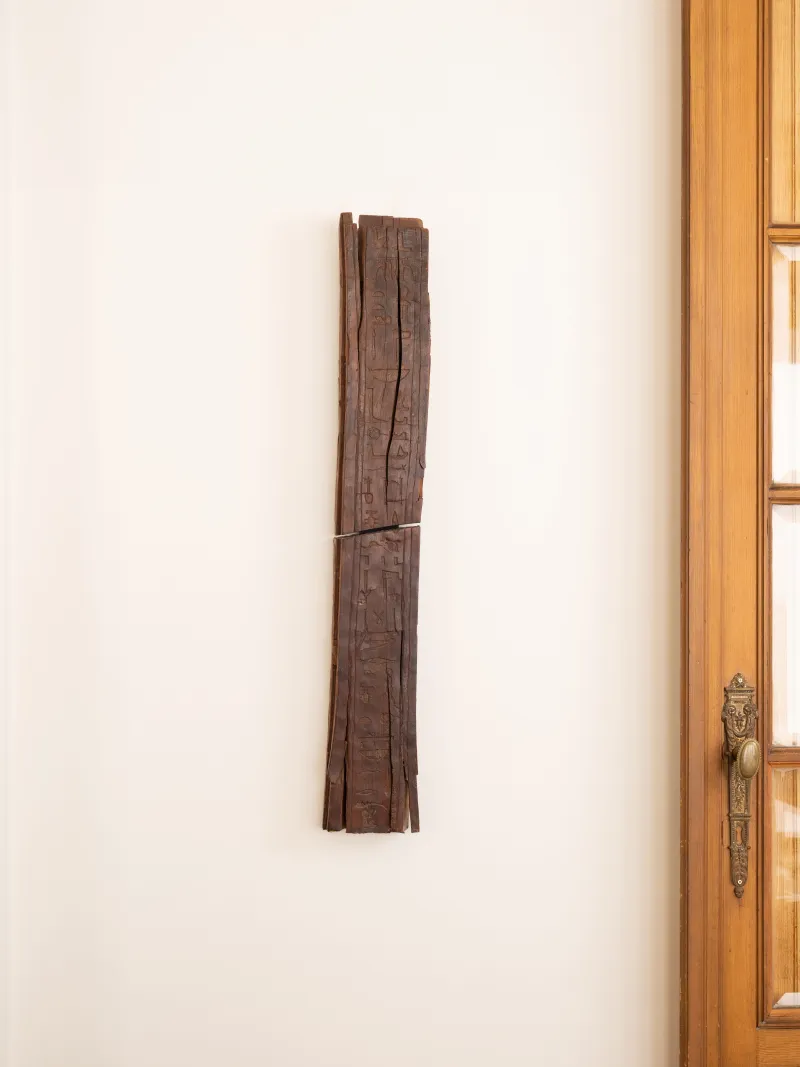
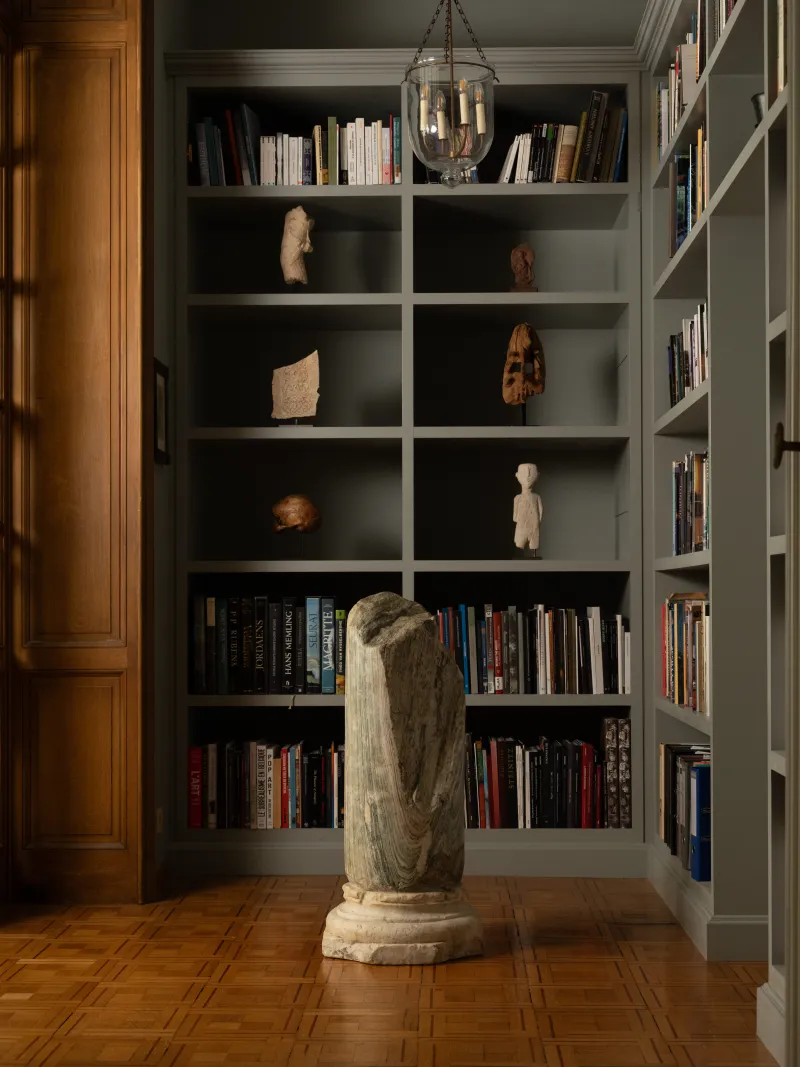
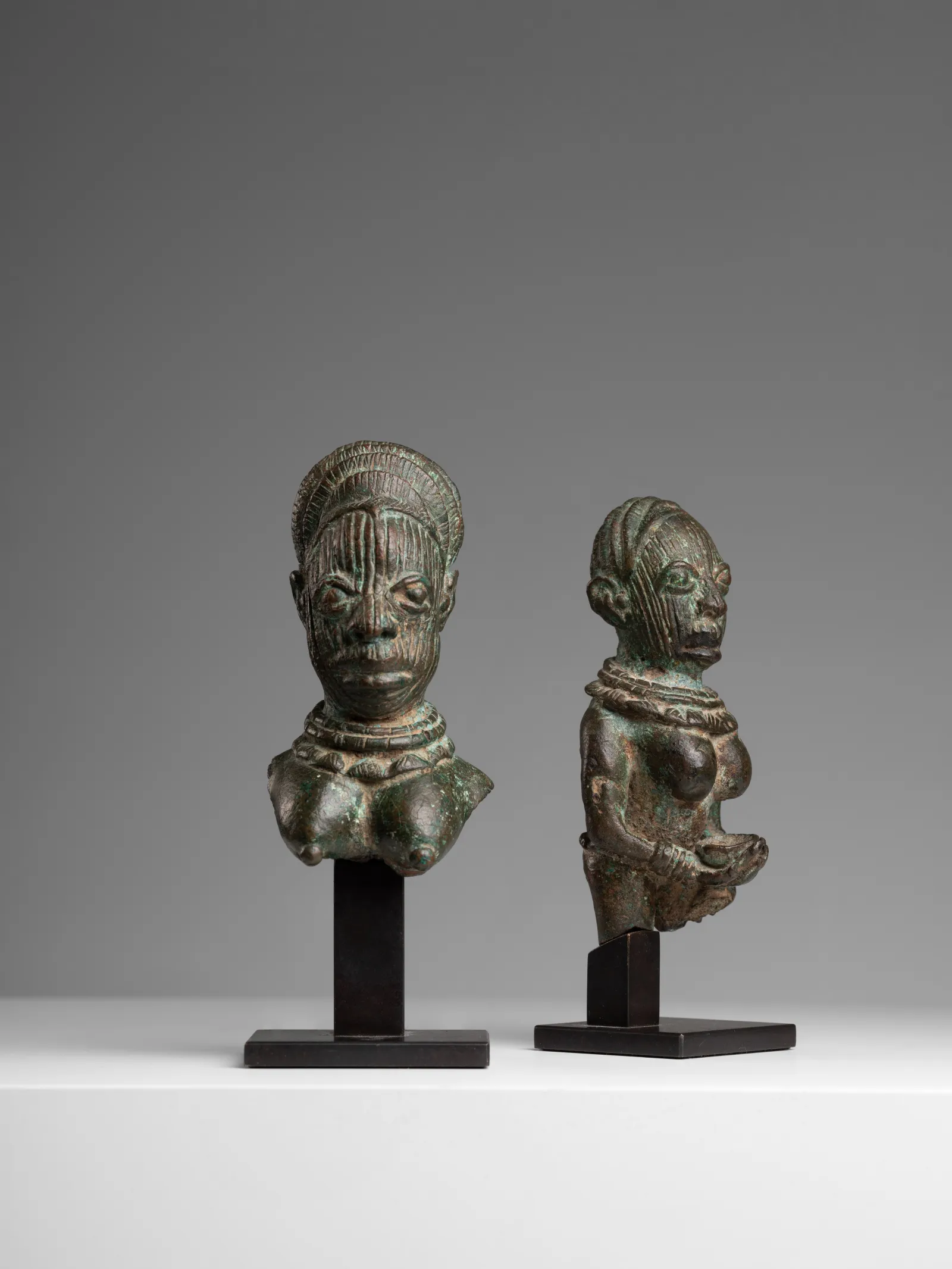
The fragment has long served as a material witness to history. Ancient heads, torsos, reliefs, and architectural remains offer tangible evidence of cultures whose monuments have been transformed by time, conflict, and nature. From the Renaissance onwards, such remains became central to the study of antiquity, providing scholars, artists, and antiquarians with the means to reconstruct lost worlds. The emergence of archaeology and art history during the eighteenth century further elevated their importance, establishing fragments as invaluable historical documents. Their broken surfaces, rather than diminishing their significance, reveal the passage of time itself, preserving traces of civilisations that continue to shape our understanding of the ancient world.
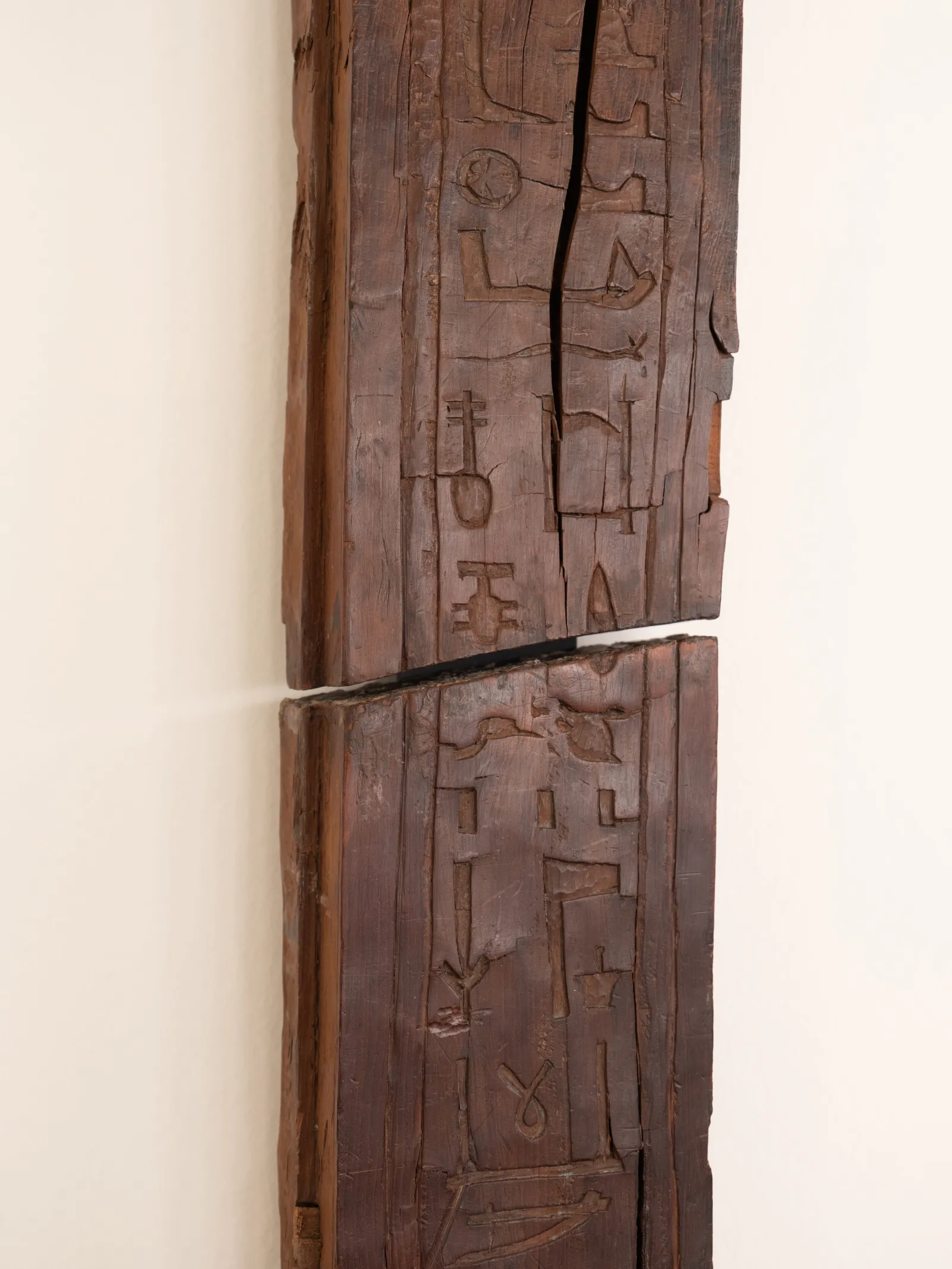
Fragments often preserve stories that survive even when the objects themselves are incomplete. A broken relief, a detached sculptural head, or a surviving section of a larger composition may retain enough visual or material evidence to evoke the narrative from which it originated. In some cases, fragments invite viewers to imagine what has been lost; in others, the reassembly of scattered elements allows forgotten histories to emerge once more. Archaeological reconstruction, scholarly comparison, and curatorial display can reconnect dispersed pieces, revealing relationships that were obscured by time. Yet even when a complete reconstruction is impossible, fragments continue to communicate through their surviving details, carrying traces of rituals, beliefs, political events, and individual lives. Their partial condition does not silence the past; rather, it opens a space in which historical knowledge and imagination work together to recover, interpret, and retell stories across generations.
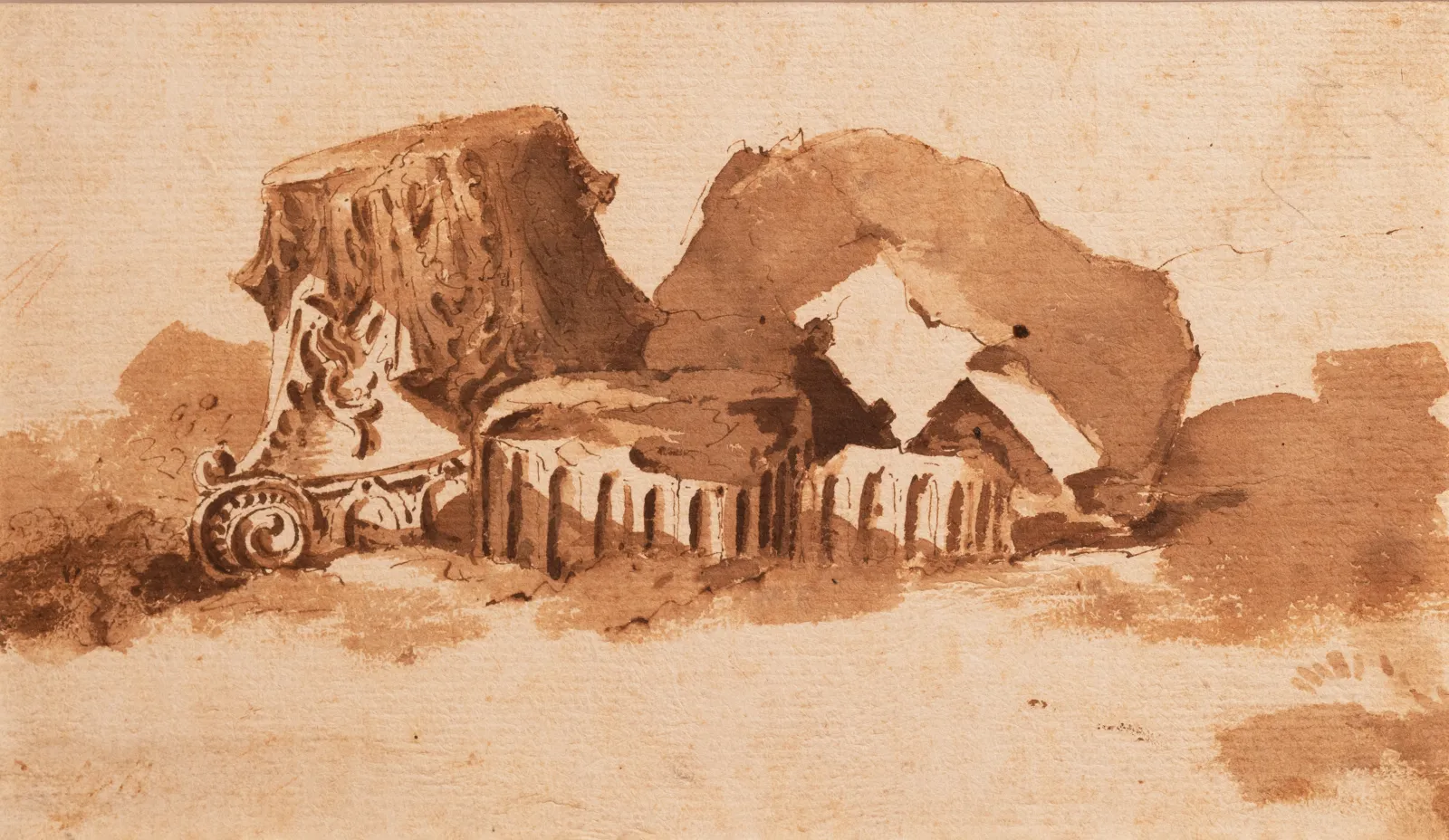
Fragments have long stimulated artistic imagination. Renaissance artists looked to surviving antiquities as models of proportion, anatomy, and ideal beauty, while later generations admired the expressive qualities of incompleteness itself. Drawings after ancient sculpture, plaster casts, and photographic studies reveal the enduring role of fragments as tools of artistic education and creative inquiry. By the nineteenth and twentieth centuries, broken forms were increasingly appreciated for their aesthetic autonomy, inspiring artists to embrace absence, ambiguity, and the evocative power of the unfinished. The fragment thus shifted from being an object to be restored into a source of artistic invention in its own right.
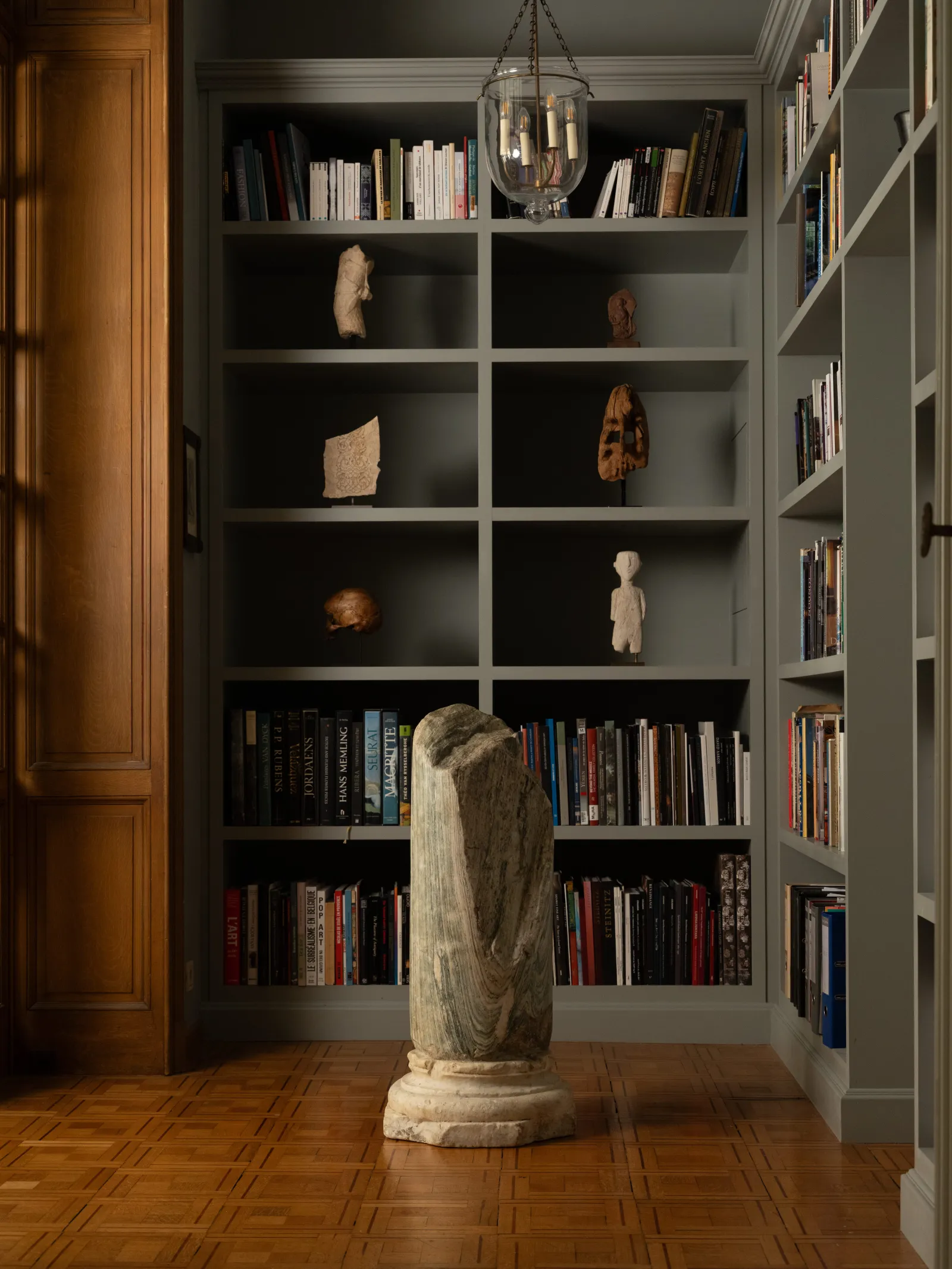
The history of the fragment is also inseparable from the history of collecting. Renaissance cabinets of curiosities and princely collections prized ancient remains as rare testimonies to the classical past, while later collectors increasingly valued fragments for their intrinsic beauty as well as their historical importance. Changes in restoration practices and museum display transformed attitudes towards incompleteness, encouraging an appreciation of the fragment as an authentic survivor rather than an imperfect relic. Today, fragments continue to occupy a distinctive place within collections, celebrated for the richness of the stories they embody and for their ability to connect aesthetic appreciation with historical inquiry. Their enduring appeal lies not in what is missing, but in what remains: objects that continue to invite study, contemplation, and imagination across centuries.